How Parasites Affect Your Dog’s Skin and Coat
Sick of seeing your dog constantly scratch, bite, or lick their skin, leaving you feeling helpless? I’ve been there, watching my golden retriever Rumi struggle with itchy, irritated skin can be heartbreaking. The problem is often hidden in plain sight: tiny parasites, from fleas to microscopic mites, quietly wreaking havoc on your dog’s coat and comfort. Left unchecked, they don’t just cause itching; they can lead to serious health issues.
In this post, I’ll break down exactly how these pesky invaders affect your dog and share practical tips to protect their skin and coat. By the end, you’ll know what signs to watch for, how to prevent infestations, and how to keep your furry friend happy and healthy.
What Are Common Parasites That Affect Dogs?
The main culprits behind itchy skin and dull coats are parasites. Once you know what to look for, protecting your dog becomes a lot easier. Let’s break down the usual suspects.
Fleas
Fleas are tiny, wingless insects that feed on your dog’s blood. And yes, they multiply fast, like, overnight fast. I remember Rumi one summer, scratching nonstop, driving me a little crazy, until I spotted just one flea… which had secretly become dozens. The itching, hair loss, and occasional allergic reactions are enough to make any dog miserable.
Ticks
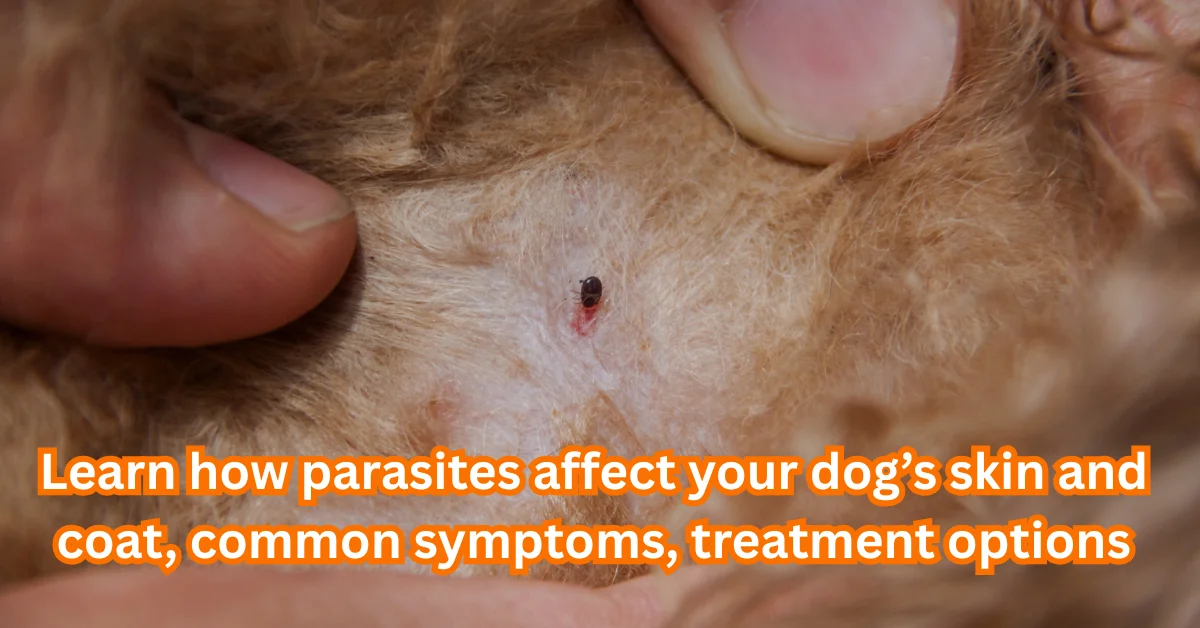
Ticks latch onto the skin and feast on blood. They can pass on serious illnesses like Lyme disease or ehrlichiosis. Their bites often leave red, irritated spots. Even a small tick can throw off your dog’s skin health and comfort.
Mites
Mites are sneaky little burrowers. Scabies or demodectic mange mites dig into the skin, causing intense itching and hair loss. Sometimes, secondary infections show up too. A quick brush with a mite-infested dog can trigger trouble, especially if your pup is sensitive.
Lice
Lice aren’t as common, but they’re still a headache. They cause scratching, scabs, and thinning hair. Good news: they don’t bite humans. Bad news: your dog won’t appreciate sharing her coat.
Worms
Some worms, like hookworms, can affect the skin indirectly. Larvae migrate under the skin, causing redness, irritation, and small sores, often on paws or lower limbs. Regular deworming is a lifesaver to keep these invisible troublemakers in check.

How Parasites Affect Your Dog’s Skin and Coat
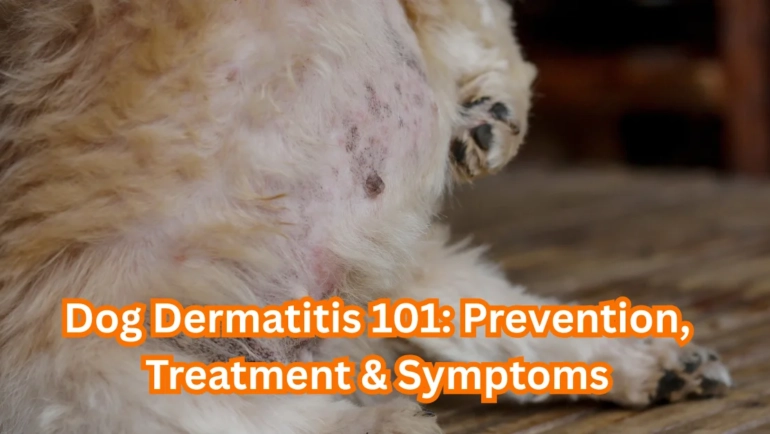
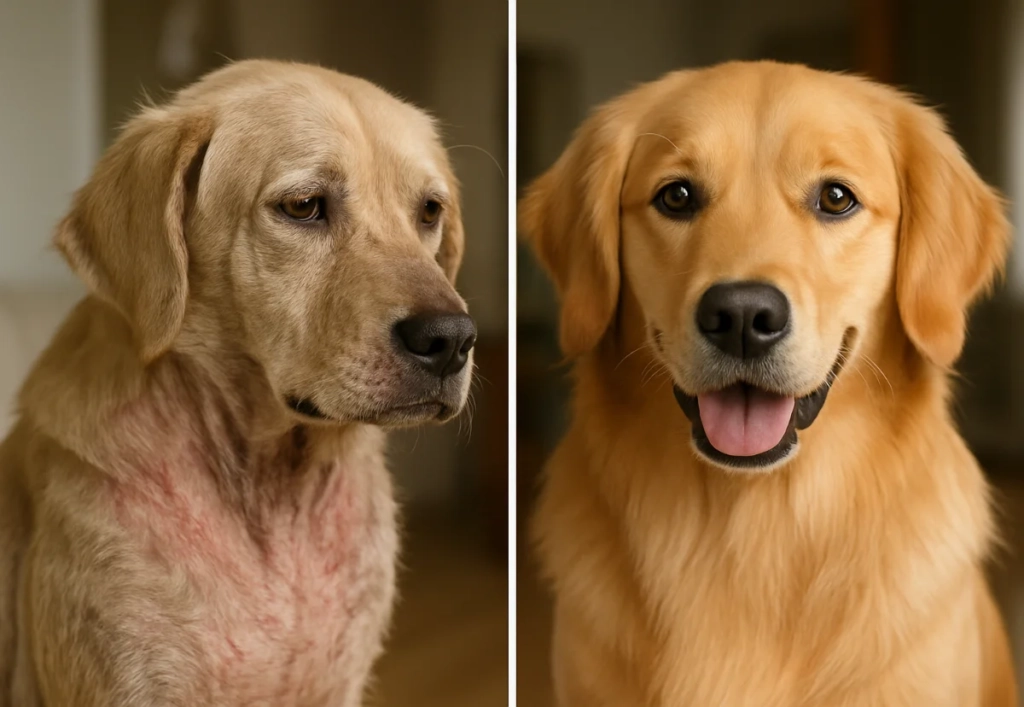
Parasites can cause itching, redness, hair loss, and scabs, leaving your dog’s coat dull or brittle. If untreated, scratching can lead to painful secondary infections. Knowing the signs early helps you act before small issues turn into big problems.
Itching, Redness, and Inflammation
Fleas, mites, and lice are relentless little creatures. They make dogs scratch, bite, and rub until their skin turns red and inflamed. I’ve seen it countless times with Rumi. One tiny flea encounter had her scratching her ears raw for hours. It’s heartbreaking to watch. Constant irritation doesn’t just bother your pup; it disrupts sleep, playtime, and even their mood.
Hair Loss and Bald Patches
When parasites burrow or bite, hair follicles can get damaged. That leads to thinning fur or bald spots. Mange is a classic example, often leaving symmetrical patches on the face, ears, or limbs. Noticing these early can be a lifesaver, because it’s your cue to get veterinary care before things worsen.
Scabs and Sores
Scratching and biting at irritated skin can leave scabs or open sores. These aren’t just cosmetic issues; they’re gateways for bacteria and infection. It’s one of those situations where quick action can save your dog from a much longer recovery.
Dull, Dry, or Brittle Coat
A healthy coat should shine and feel soft. Parasite infestations can leave fur looking lifeless, dry, or coarse. I remember skipping a parasite check before grooming Rumi once. Her coat felt dull and rough until we treated the hidden mites. After proper care, the shine came back almost immediately.
Secondary Infections
Open sores and persistent irritation can lead to bacterial or fungal infections, making treatment more complicated. Early detection and parasite management protect your dog’s skin, coat, and overall comfort. Prevention truly is easier than cure, and it keeps your furry friend happy and healthy.
Signs & Symptoms to Watch For
Parasites can affect your dog in subtle and obvious ways. Early detection is key to preventing discomfort and skin damage. Here’s a guide to the most common warning signs:
| Sign/Symptom | What to Look For | Why It Happens | Sign/Symptom |
| Excessive Scratching or Licking | Constant itching of ears, belly, tail, or paws | Parasites irritate the skin, causing discomfort | Excessive Scratching or Licking |
| Frequent Biting at Specific Areas | Chewing or biting one spot repeatedly | Localised irritation from bites or burrowing parasites | Frequent Biting at Specific Areas |
| Changes in Coat Texture or Color | Dull, dry, brittle, or thinning fur | Parasites damage hair follicles or cause inflammation | Changes in Coat Texture or Colour |
By keeping an eye out for these signs, you can catch infestations early and keep your dog comfortable and healthy.
Diagnosis & When to See a Vet
Catching parasites early is the single most important step in keeping your dog’s skin and coat healthy. But figuring out when you can handle it at home and when to call the vet can be tricky.
Home Checks vs Professional Examination
Some things you can spot yourself. Running your fingers through your dog’s fur, checking the ears, belly, and tail, these simple routines can reveal fleas, ticks, or strange irritation before it gets serious. But other parasites are sneaky. Mites, for instance, or internal worms hiding in the gut, aren’t visible to the naked eye. That’s when a professional’s eyes and tools make all the difference.
Diagnostic Methods Veterinarians Use
Skin Scraping
This helps detect mites like Sarcoptes scabiei or Demodex canis. You might not see them, but a vet can find them quickly.
Blood Tests
These identify tick-borne diseases and other parasitic infections. Sometimes the trouble is invisible until it shows up in your dog’s blood.
Fecal Exams
Certain intestinal worms, like hookworms, can indirectly affect skin health. Faecal tests catch these hidden pests before they cause bigger problems.
Why Early Detection Matters
Catching parasites early isn’t just about comfort; it’s about prevention. According to the American Veterinary Medical Association, early identification reduces irritation, prevents secondary infections, and protects long-term skin health. I’ve seen it firsthand with Rumi. A delayed treatment turned a tiny itch into hours of scratching and stress. Spotting the problem early saves everyone a lot of worry.
Treatment Options
Managing dog parasites isn’t complicated, but it does require care, attention, and the right products. Using safe, vet-approved methods makes all the difference. Always follow instructions and check with your veterinarian before starting anything new.
Topical Treatments: Shampoos and Sprays
Topical shampoos and sprays work well for fleas, ticks, and lice. Make sure the product is suited for your dog’s age and weight. I remember once rushing Rumi’s bath and missing a spot behind her ears. She spent the entire night scratching. Lesson learned: apply evenly and avoid the eyes and mouth. A careful rinse goes a long way.
Oral Medications
Prescription oral meds can target fleas, ticks, and some internal parasites. Dosages depend on weight, age, and health. Never give human medications to dogs; this can be dangerous or even fatal. A quick call to your vet before starting is always worth it.
Anti-Parasitic Collars
Collars infused with safe insecticides provide long-term protection against fleas and ticks. They’re perfect for dogs who spend lots of time outside. Make sure it fits snugly but comfortably, and check your dog’s skin regularly for irritation. I’ve seen collars work wonders for outdoor pups, keeping them pest-free for months.
Professional Grooming and Medicated Baths
A veterinary groomer can do more than a regular bath. Medicated baths remove parasites, dirt, and debris while giving the coat a healthy shine. At Ozark Dog Farm, we schedule routine medicated baths for Rumi during peak flea season. It keeps her coat glossy, soft, and completely pest-free.
Safety Tips
- Always follow the manufacturer’s dosage instructions.
- Avoid mixing chemical treatments unless your vet says it’s safe.
- Watch your dog closely after treatment for any reactions.
A consistent routine, a little vigilance, and the right products can keep your dog happy, healthy, and itch-free.
Prevention Tips
Keeping parasites away is so much easier than dealing with a full-blown infestation. A few simple habits, done consistently, can protect your dog’s skin and coat more than you’d think.
Regular Grooming and Skin Checks
Brushing your dog’s coat isn’t just about looks. It’s your chance to spot little red flags, like bumps, redness, or tiny pests, before they turn into big problems. I make it a nightly routine with Rumi. Five minutes of checking her ears, belly, and tail, and I usually catch anything suspicious early. Plus, she loves the extra attention.
Flea and Tick Preventatives
Vet-approved preventatives are a must. Whether it’s a topical, a collar, or an oral medication, these treatments create a protective shield against parasites. Just be careful with dosage and don’t switch products unless your vet gives the green light. It’s tempting to experiment, but consistency is what keeps your pup safe.
Clean Living Environment
Parasites don’t just live on dogs; they thrive in carpets, bedding, and even toys. Washing your dog’s bedding regularly and vacuuming floors keeps eggs and larvae from spreading. It’s not the most exciting chore, but it makes your whole home healthier for both your dog and your family.
Healthy Diet for Skin and Coat Resilience
Strong skin and a shiny coat start from the inside. Diets rich in omega-3 and omega-6 fatty acids create a natural barrier that makes it harder for parasites to do damage. I’ve noticed this with Rumi. When her diet is balanced, her coat literally glows, and even minor irritations seem to fade faster.
Conclusion
Parasites may be small, but their impact on your dog’s skin and coat health can be significant. From itching and hair loss to secondary infections, early detection and prevention are key to keeping your pup comfortable and thriving. Regular grooming, preventive treatments, and routine veterinary check-ups create a strong defence against these hidden threats.
I’ve seen firsthand how a little proactive care keeps dogs like Rumi happy and healthy. Don’t wait for the first scratch or flea to appear; take action now to protect your furry friend.
Frequently Asked Questions About Dog Parasites
Can parasites cause permanent hair loss in dogs?
Yes, if infestations are severe or left untreated, parasites like mites (Demodex canis or Sarcoptes scabiei) can damage hair follicles, leading to permanent bald patches. Early treatment usually restores coat health.
How quickly can fleas damage my dog’s coat?
Fleas reproduce rapidly; a single flea can become dozens in a few days. Continuous biting causes irritation, redness, and hair loss, sometimes within a week. Regular flea checks and preventive treatments stop infestations before they seriously affect your dog’s coat.
Are some dog breeds more prone to skin parasites?
Yes. Breeds with short hair or sensitive skin, like Boxers, Bulldogs, or Dachshunds, may show symptoms faster or be more prone to irritation. Long-haired breeds can also hide infestations, making regular checks essential.
Can human products be used on dogs?
No. Human shampoos, creams, or medications can irritate dog skin or even be toxic. Always use vet-approved, dog-specific treatments for parasites, and consult your veterinarian before trying new products.