Dog Shampoo for Allergies: Signs, Treatment, and Prevention
Are you for dog shampoo for allergies? There’s a so-called “soft dog shampoo” in the bath, the water is warm, and you show your dog lots of love, but afterward, they’re scratching like crazy. Trust me, I know because I’ve been through it with my dog. It’s annoying to see my dog go from being happy to being unhappy in just a few hours. Who did it? It’s likely an allergy to shampoo, which is tough to deal with. These kinds of reactions don’t happen as rarely as some pet owners might think, and they can be very painful if you don’t do something about them. It’s okay, though. This post will show you what to look out for and how to calm your dog down so that it is so calm and at ease with you that it looks forward to bath time every time. Let us make your pet dry and scratch-free.
What are the indications that a dog has an allergy to shampoo?
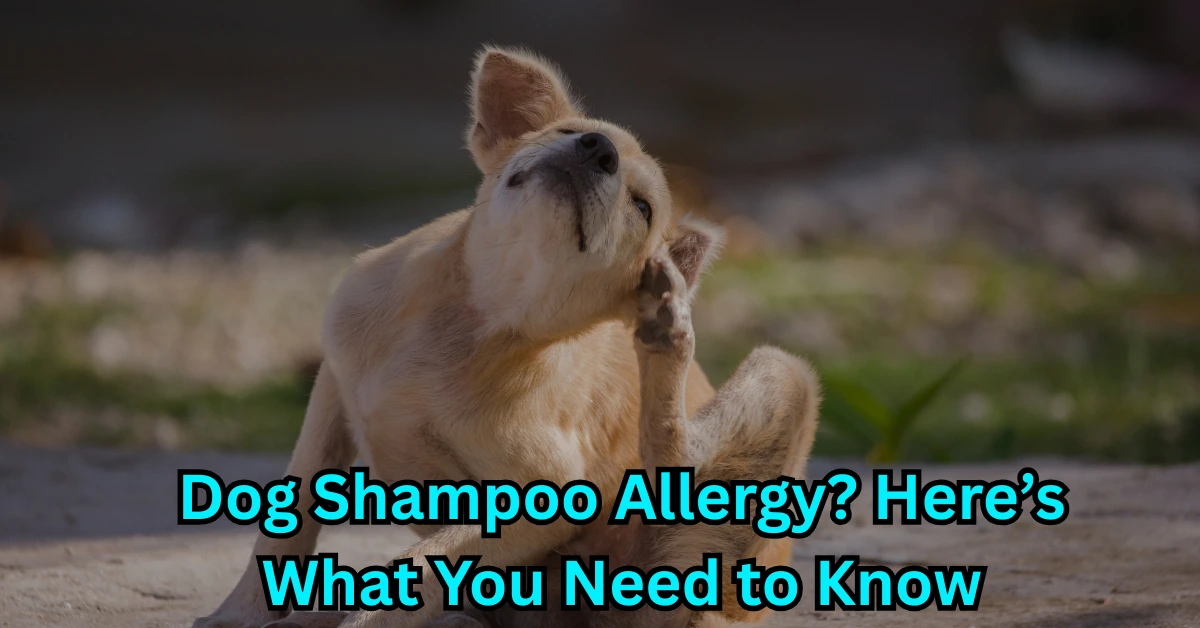
Another thing dog owners often notice is that their dog’s skin itches, turns red, or becomes irritated right after a bath. Your dog will be in a lot of pain from these responses, which is hard to see as a pet parent.
Rumi, my golden mix, kept hurting herself while I bathed her for the first time. I thought I might not have cleaned her well enough. But in the morning, her stomach was red and itching, and she kept licking her paws, which meant something was wrong. That’s when I realized it might not just be a bad rinse.
What does Shampoo Allergies Look Like?
Heavy itching is probably one of the most widespread symptoms. If your dog likes to lick or scratch the same spot on your body over and over, like the belly, legs, or neck, he might be responding. Also, the fact that the skin in those places would look red or swollen is one of the best signs. On occasion, they show up as small bumps, scabs, or loose skin. There is a problem with your dog’s skin layer, possibly because of the shampoo.
At the back of her neck and under her arms, Rumi’s reaction was especially clear. Those are the places where I used the most shampoo and may not have rinsed them out completely. I saw little red ones, and she kept rubbing herself on the couch to go to the bathroom.
The Change of Behaviours Counts Too
You should notice the behaviour of your dog when it has been bathed. They get antsy, start rubbing against the couch or furniture, or just aren’t as happy as they usually are. These are all signs that something is wrong. Sometimes Rumi rests after a bath, but today she just paced and whined. It really broke my heart.
It’s not fun to see your dog in pain. There is a good chance that the shampoo is not working well with their skin if they show these signs. It doesn’t matter that there are simple ways to help that won’t bother people with allergies. These are the next things we will talk about.
What is the Treatment of Allergic reactions of Dogs to Shampoo?
If your dog is allergic to shampoo, you need to move quickly and gently to help them. Most mild responses can be managed at home. Even so, if you know the right way to do things, the difference can be big, saving your dog a lot of pain and time to heal.
It was hard for me to learn that after my sweet stray dog Rumi did it first. She would sometimes scratch her stomach after taking a bath with shampoo for sensitive skin, then rub her face on the floor. It looked like her skin was dry and a little red, and she seemed really uncomfortable. I was awful. My first thought was to take care of Rumi, but after talking to our vet and doing some online research, I came up with a plan that had Rumi back to normal in just a few days. This is what worked.
Take off all the Shampoo, the Second it gets it
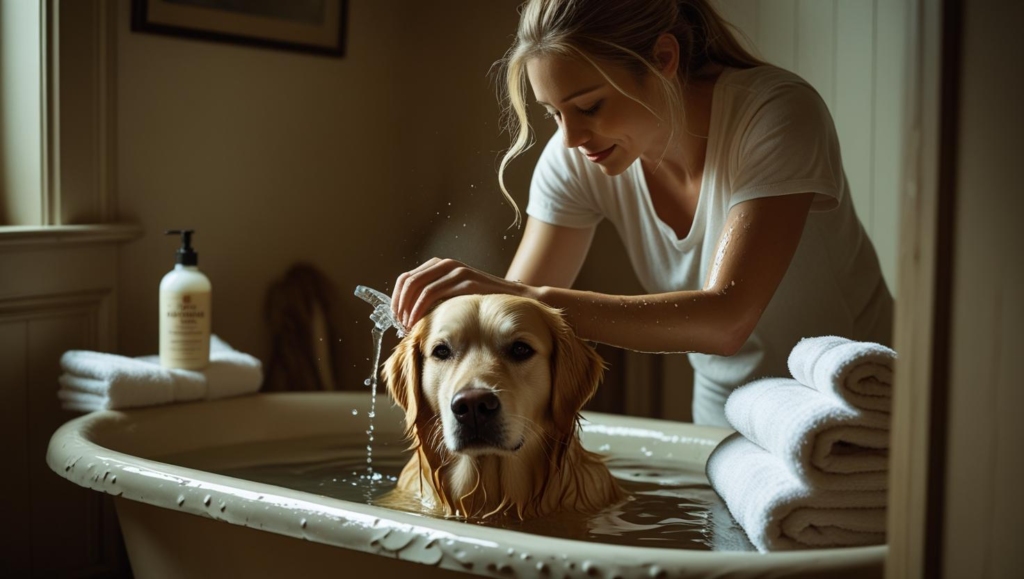
You need to rinse your puppy with clean and lukewarm water first. Rinsing off any remaining shampoo, even if the bath is over, will stop the response. They may still have shampoo in places like the back of the neck, the belly, and the legs, so gently rub the water into their fur in those areas.
I took Rumi all the way back to the tub. I used only water and no soap when I rinsed. There was redness on her belly and underarms, so that’s where I focused my attention. There was no doubt that it worked; she felt better after that.
Apply a Hypoallergenic or Oatmeal Shampoo
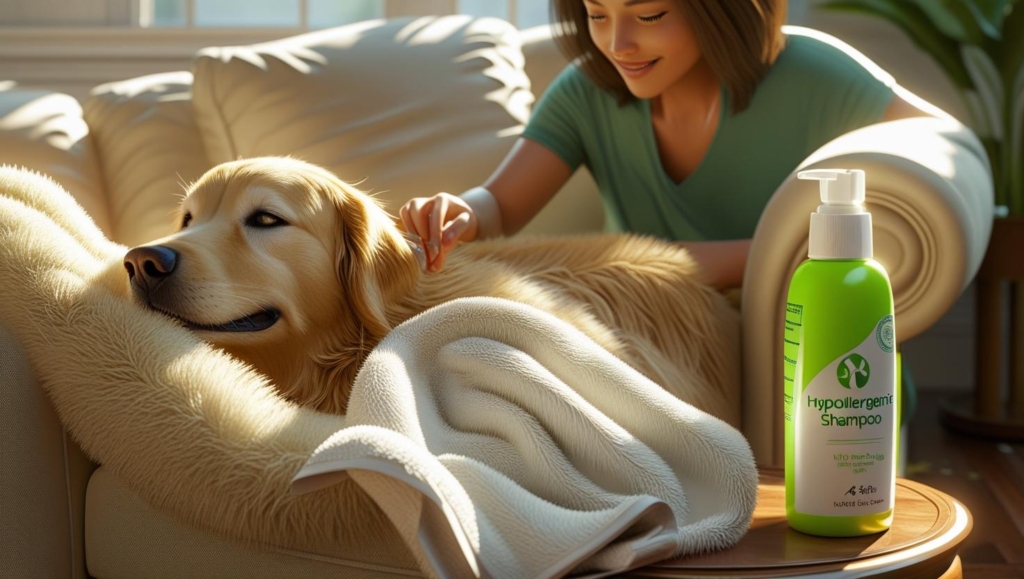
When your dog’s skin settles, use a sensitive skin shampoo. Seek out products labeled as hypoallergenic or fragrance-free. Shampoos based on oatmeal are particularly useful. They make the face feel better and help with dryness. Anything with strong smells, fake colors, or a long list of chemicals is best avoided.
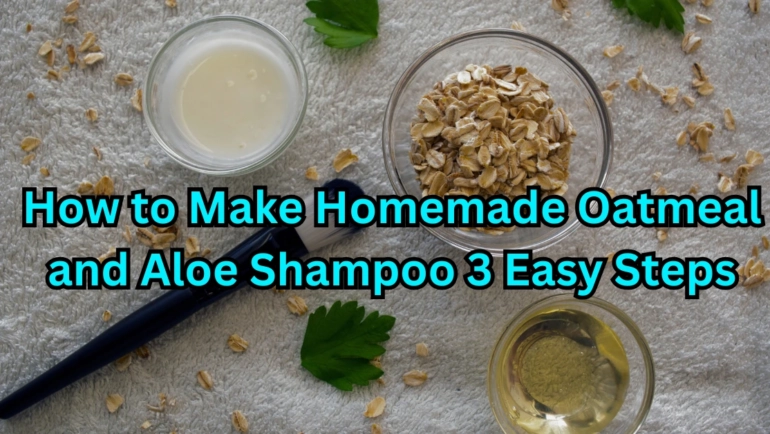
I gave Rumi a light oatmeal-and-aloé shampoo without any extra scent for his next bath. I was afraid to do anything, but this helped a lot. Nothing red. Don’t itch—a clean and content dog.
Calm the Skin with Natural Relief
Once you wash it off, you may apply soothing topical solutions to the skin of your dog. Aloe vera juice (make sure it is pure and safe for dogs to use), coconut oil, or a vet-approved hydrocortisone cream can help relieve itching and reduce redness. Putting in a little effort and watching the change happen is all it takes.
When Rumi had her response the night before, I put some aloe on her stomach. In part, it helped her calm down so she could sleep without biting and scratching all the time. I didn’t use too much; just enough to calm down the red, itchy areas.
Observe the Symptoms and When to Call a Vet
When there is mild reaction of your dog, you should notice improvement after 24-48 hours. However, when the symptoms do not improve or get worse, it will be time to inform the vet. If you notice signs such as a swollen face, excessive scratching that causes bleeding, hives, or trouble breathing, call 911 right away.
Thank goodness Rumi’s case wasn’t too bad. And I didn’t wait to act if I saw any swelling around her eyes or face or if she showed any signs of being in pain. If you take your dog to the vet right away, they can relieve your dog’s pain for several days.
Avert Future Reactions
Don’t use the same shampoo if it caused the response. When you get a new product, you should always do a small patch test first. Put a little shampoo on one area of your dog’s body and then rinse it off. Wait 24 hours to see how the shampoo affects the body. This might help keep your whole body from reacting.
That’s something I’ve kept doing since Rumi did it. From now on, I will try anything new on her leg or side. It takes a little longer, but it’s still worth it.
It might be stressful to treat your dog while it’s having an allergic reaction, but if you do the right things, your pet may get better quickly. You know your dog better than anyone else. It’s better to listen to your gut when it tells you something bad. Also, don’t forget that there are safe, soft shampoos you can use instead. You and your dog should have a stress-free bath day. So you will find your routine, Rumi and I did.
How soon do the allergy symptoms of a dog disappear?
Most dog shampoo allergies start to get better in a few days after you get rid of the cause and treat the symptoms. How long it takes to heal fully will depend on how quickly you respond to the reaction’s intensity.
I washed Rumi, changed her shampoo to a gentle oatmeal one, and put aloe on the red spots before she had the response. In just 24 hours, her itching started to go away. After three days, her face looked much better, and she was back to her normal, happy self. But not every dog is like this.
Miliary Allergies
If your dog has a mild reaction, such as being a little red or itchy, or a few dry spots, the signs should start to improve in 1 to 2 days. It should get better after using a relaxing treatment and washing with shampoo. Dogs that lick or scratch that area too hard will make it take longer to heal.
In the case of Rumi, it was exactly that. On the second day, the redness almost went away. I kept a close eye on her and didn’t give her another bath. She got better on her own.
Moderate and Severe Reactions
It could take a few days or a whole week to get better if the reaction causes swelling, hives, constant scratching, or raw skin. Veterinarians may prescribe painkillers, corticosteroids, or other medications to reduce inflammation and relieve pain in these cases.
Another reason dogs might need antibiotics is if they scratch their skin so hard that they get an infection. That’s why acting quickly is so important.
Signs That Point to the Vet
If your dog’s symptoms don’t get better in 48 to 72 hours or even get worse, don’t wait. Getting advice from your doctor is the best thing you can do. If you wait too long, you might get a second skin problem, and it might take longer to heal.
I’ve been extra careful with bath items ever since Rumi told me this first story. I have learned that getting treatment right away and getting loving nursing care really does cut down on the time it takes to get better. You should feel better soon, and you will. All you need to do is get the right care and be patient.
What Can You Do in the Case of a Dog’s Allergic Reaction to Shampoo?
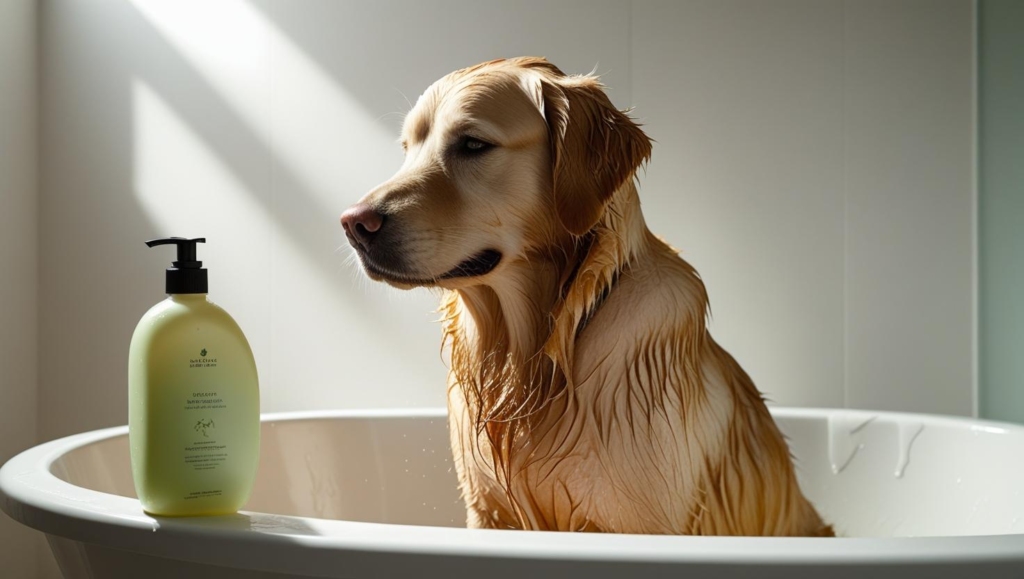
The best thing to do if your dog is allergic to shampoo is to act quickly and stay calm. The dog is more likely to get better quickly if you rinse off the toxin as soon as possible.
I was surprised by the first response Rumi got. She was already scratching her sides and face on the rugs after getting out of the bath. Not only did I not freak out, but I also knew that I had to act right away. I took her back to the tub and rinsed her off again with warm water and no soap. I also made sure to wash off all the shampoo for about 10 minutes. I also knew I was on the right track because she seemed to be calming down a bit during the rinse.
I rinsed her off right away, then carefully put her down on a soft towel and held her close to me to see what she did. Within an hour, I saw some red spots on her stomach and around her neck. She didn’t stop licking her paws, and she was more antsy than usual. To be on the safe side, I called the vet. Luckily, the symptoms weren’t too bad, and they told me to put a thin layer of pure aloe vera on her face to help it feel better. That was very helpful.
Since the event, I’ve been more worried about how I helped Rumi get better. I paid extra attention to make sure she wouldn’t lick or chew on the sore spots. To keep her from getting upset, I even put a small soft cone collar on her and wore it for a few days. Also, I loved her more than just a little. I cuddled her on the couch, brushed her, and gave her treats she loved. Comfort is very important for people who don’t look or feel good.
How to Avoid Dog Shampoo Allergies?
Prevention of shampoo allergies is far better than trying to deal with one when it has already developed. Now I’m going to take a few precautions before Rumi, and I’ll take a bath. First, I changed her shampoo to one that was safe, made from oatmeal, and didn’t contain any other colors or scents. You can use it on dogs with sensitive skin, which was a big deal. Her coat is still clean, and there hasn’t been a reactive aftereffect since then.
Before I use a new product, I also do a patch test. I put a little shampoo behind her ear or on the inside of her back leg and wait 24 hours. If I don’t have any redness or burning, it’s easy for me to use it to take a full bath. It only took minutes and saved us a lot of trouble.
In the event that your dog has had incidences of allergic reactions in the past, then you should not put it to chance. Be sure to discuss matters with your vet. These people can give you advice on what shampoo to use based on your dog’s skin type, hair, and past health. For Rumi, my vet recommended a medicated shampoo that we use once a month to keep her skin healthy. All you have to do is know what works for your dog and keep doing it.
From my time with Rumi, I learned that it can help to know how badly you need to be ready and aware. You should make bath time a calm, relaxing time for you and your dog, not one that makes them nervous. With the right tools and some care, it definitely is possible.
My Final Thoughts
That was a lot of information. Now you know how to find the first signs of a shampoo allergy, treat it without pain, and keep it from happening again. For those times when your dog felt itchy or bad right after a bath, you now know what to look for and how to help him. It’s only because our dogs are family, not pets. It’s important to us that washing is something they enjoy and want to do, not something that makes them feel worse. I’ve been through it with Rumi, and it can be very hard to handle. But if you know a little about how it works and are full of love, you can make bath time safe and calm again.
Have faith in yourself. You’re doing a great job. What about your dog? They already really like you a lot. Your dog would love having you as a person if you would learn, be kind, and trust your gut.
Commonly Asked Questions About Dog Shampoo for Allergies
These are some of the frequently asked questions that most pet owners tend to ask regarding dog shampoo allergies and the relevant answers that may help in taking care of your dog’s skin:
1. Is it possible to avoid Dog Shampoo allergies?
True, allergies to dog shampoo can be avoided in a couple of instances by using hypoallergenic dog shampoos, avoiding harsh chemicals, and performing a patch test before full application. Visiting your vet frequently will help you get the best product for your dog’s skin.
2. How to Understand that My Dog Has an Allergy to Shampoo?
Allergies to shampoo are characterised by excessive scratching, redness, swelling, bumps, or dry skin patches. All these signs indicate that your dog is allergic to the shampoo used during the bath, in case it exhibits these behaviours.
3. What can I do in case my dog licks his/her skin after washing it with the shampoo?
When you shampoo your dog, be sure he or she does not lick his or her skin; this can be prevented with a collar, known as an Elizabethan collar. As licking proceeds, check for worsening irritation or seek your vet’s attention.
4. Can I Put Baby Shampoo on a Dog?
Baby shampoo is less harsh than human shampoos, but it is not designed for dogs and can still cause irritation. One should better use a special pet shampoo to exclude allergic reactions.
5. Do Shampoo Allergies lead to a permanent effect of skin harm on a dog?
Shampoo allergies do not lead to long-term damage in the majority of cases when appropriate actions are taken in time. Nonetheless, once left untreated, chronic irritation may lead to skin infections; thus, you should treat all allergic reactions as soon as possible.
6. Will Allergies Occur through Overuse of Dog Shampoo?
Using any shampoo, especially one not intended for healthy dogs, repeatedly may dry the skin by stripping natural oils. Which is to minimize, only when necessary, the use of shampoo when caring for your dog to keep the skin healthy.
7. What Be Some Home Remedies for Dog Shampoos and Allergies?
There are some natural remedies, such as aloe vera, coconut oil, or an oatmeal bath, that can help soothe your dog’s irritated skin. These can be helpful until you switch to a better shampoo.
8. Do Dogs Have Special Shampoos for Sensitive Skin?
Of course, there are numerous sensitive-skin shampoos designed for dogs. They do not normally contain harsh chemicals, fragrances, or artificial dyes, and are therefore a safer bet for dogs that are susceptible to allergies.
9. Is it possible to apply a Dog Conditioner after bathing my Dog to prevent the Allergy?
Applying dog-specific conditioner after bathing may help lock in moisture and calm the skin, making it less irritable. A hypoallergenic, gentle conditioner should be used on your dog’s skin, depending on its sensitivity.
10. What is the Way to Know I am Using a Dog Shampoo Safe for Allergic Dogs?
Seek products that are hypoallergenic, fragrance-free, and gentle on sensitive skin. Also, always make sure none of the ingredients are potential allergens, and if you have any doubts about whether a product is safe, always ask your vet.