What You Should Know Before Bathing Your Puppy
One small accident and a confused puppy face, and all of a sudden, you’re both looking at the mess as if it were a puzzle. I know because I’ve been there. I freaked out for a second when Rumi had his first accident in the potty. Then she got a soft cloth and some warm water and focused on making him feel clean and safe. She didn’t use soap or stress herself out. It’s not always best to bathe your puppy right away, especially when they’re still getting used to their new surroundings.
Here are some gentle, dog-friendly ways to clean up after your dog that won’t stress them out. Let’s clean up these little messes for both of you.
Can I Wash my Puppy with Shampoo?
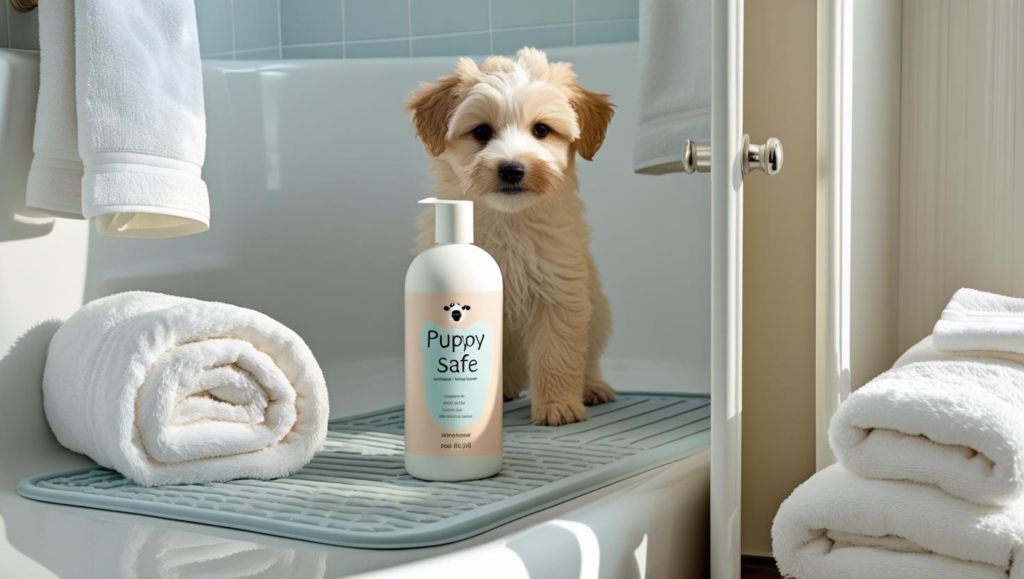
Yes, you can wash your puppy using a shampoo, but again, it should be a puppy shampoo.
Their skin looks and feels very different from ours. What’s inside is smaller, more fragile, and more sensitive to tough parts. This is why shampoo made just for puppies is important. Their gentle recipes won’t harm their delicate skin or throw off their natural balance.
I remember this was the first time I bathed Rumi after he was over eight weeks old. I was scared. I didn’t want to use anything that could hurt him because he was so small. I looked for the sticker three times before I felt good about it. It didn’t tear, was safe for puppies, and wasn’t irritating to people with allergies. It helped me feel a little better.
The Reason to Not Use Human or Adult Dog Shampoo
One might think it is harmless to use human shampoo, but it is not safe for puppies. They can even be overpowered by adult dog shampoo. The items might dry out or irritate your skin, and sometimes even cause painful rashes.
Shampoos are made for people because different skin types have different pH levels. The puppies’ skin is more normal, with a pH level of 6.5 to 7.5. Anything too acidic or too basic can strip their natural oils, making them itchy or painful.
Years ago, I once made the same mistake of washing my older dog using my own shampoo. Never again. The following day he was scratching the whole day. With this in mind, I was particularly cautious about Rumi. I did not want his first bath to be a disaster but calm.
The Criteria of Good Puppy Shampoo
Whenever buying shampoo, make sure it has a label that reads ‘puppy-safe’. You would always spot words like ‘tear-free’ or ‘gentle formula’. That is positive. An appropriate puppy shampoo is prepared using mild ingredients that do not dry up the skin.
Good things to use are natural ones like rice, aloe vera, and chamomile. Oatmeal is good for your skin. Soothes and moisturizes skin with aloe. Chamomile calms you down and has a soft scent. With these elements, Rumi’s coat felt soft, smelled great, and didn’t bother her.
Do not use soaps that have sulfates, strong scents, colors, or alcohol in them. The flavors in these foods are too bitter. I never use scented ones; I prefer plain or lightly scented ones, and the scents are usually plant-based. Rumi didn’t sneeze or move around while I was bathing him, which was a small win.
A 2-minute change in bath time can make your dog calmer for hours.
The Gentle Introduction is a Great Step Forward
The best way to enjoy bath time is to pick the right shampoo. It is not only about being clean. It is a question of credence and familiarity. The kinder you are now, the kinder you will be next bath.
Rumi gets excited even at the sound of running water. I believe he recollects that first quiet, warm bath. It established the pattern of all the others.
Part by Part: The Procedure of Bathing a Newborn Puppy Using a Shampoo
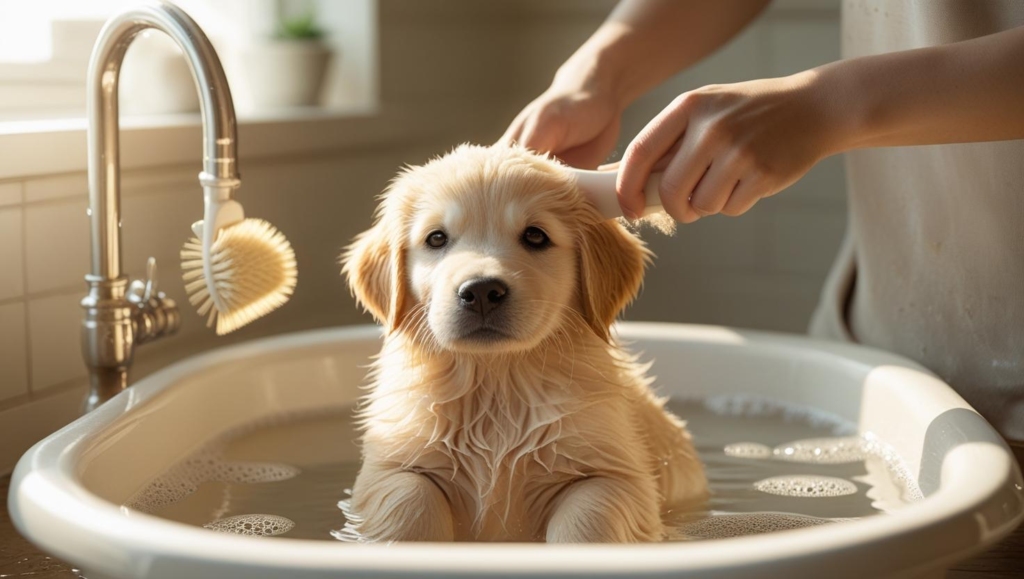
The key to safely going about bathing a puppy is the right attitude and soft hands.. Yes, after the age of 6 to 8 weeks, you can give your puppy a bath with a shampoo designed for them. It is not only a process of cleaning them. It is just about creating a pleasant, relaxed experience to aid in building trust and familiarity.
I remember Rumi’s very first bath. He had only been born eight weeks before. He was proud as hell, even though he knew he had made a mess. He had mud on his feet and something slimy on his tail. I felt shaky and excited, too. That moment wasn’t just a clean-up; it was the start of a delicious ritual that we both learned to enjoy.
Begin Brushing as Your First Step or Coat Preparation
Brush your puppy tenderly before you allow a drop of water to fall on the body fur. This breaks up dry dirt and small knots and tangles. If you don’t pay attention to this, these little knots will turn into hard mats when they come into contact with water.
You can also look at your puppy’s skin while you brush it. Look for any red spots, bumps, or bugs. When you do this regularly, you can detect skin problems early with this method.
When I saw Rumi, I saw that he liked brushing his teeth. For some reason, he liked the way the brush felt on his shoulder. Before going to the bath, this little moment helped him feel calm.
The Place of Bathing selected should be Appropriate
On your side, choose a place that is comfortable and safe. A sink is suitable with small puppies. In larger breeds, you can use a plastic tub or bathtub. At the bottom, place a rubber mat or a folded towel to prevent them from slipping. Dark places scare them, and falls can make the future bath less comfortable.
Make sure there is a draft in the room. Puppies get sick quickly when they get cold. Get ready by getting shampoo, a soft towel, a small cup or sprayer, and maybe a treat ready. Having everything close at hand helps you stay calm and focused.
I gave Rumi her first bath in our kitchen sink. A soft towel was at the very bottom, and a toy was close by. He seemed interested and at ease, and I think the closeness of the situation played a part.
Use Luke To Lukewarm Water
The water should be just the right temperature, not too hot or too cold. Test it on the inside of your wrist. It must taste like baby bath water.
Fill the tub or sink with water until it’s two or three inches deep. Do not put your puppy in moving water. It might be scary to hear the noise and feel the pressure for the first time.
For Rumi, I could only cover his paws and lower legs with the sink. I wet him by carefully pouring water from a cup onto him. That was slow and safe and he remained calm all the time.
Gently Wet the Body of Your Puppy
Start by gradually pouring water on the back of your puppy and the sides. Walk slowly and speak in a soft voice. Avoid splashing. You are aiming at making them feel safe.
Do not splash water on their face or head to waste it. It could get into their eyes or ears and hurt them, or it could also cause an illness. Instead, rub your face, your nose, and the area under your chin with a soft, wet towel.
Rumi moved around a bit when I put water on his back at first, but he calmed down when I talked to him for a while. The water wasn’t what scared them; it was the surprise of the water. That was my tone: “Someone helped more than anything else.”
Use and Work Puppy-Safe Shampoo
Squeeze out a small amount of puppy shampoo, rub your hands together, and apply. Begin with the neck and proceed downwards. Massage gently. Concentrate on spots that are more likely to be dirty, such as the paws, belly, and underneath the tail.
Be sure you are not scrubbing. It is not a scrub-down. Avoid your sensitive areas, such as the ears, eyes, and mouth.
I applied an oatmeal shampoo to Rumi. It had no smell and no tears. It was clean and smooth. His coat felt good afterward and didn’t bother him. It was true that the bath calmed down a small red spot that I had seen for a few days.
Wash and clean thoroughly and completely.
Cleaning is more important than you might think. Unfortunately, even shampoo made just for dogs can irritate the dog’s skin. Remove all shampoo with clean water after washing with warm water.
Run your fingers through the hair after wetting it. This forces you to reach the skin and reduces the risk of leaving product behind.
To be sure, I washed Rumi three times in his first bath. I think he worked the hardest on the last rinse because he knew we were almost done.
Wipe your Puppy Dry and Use your Hand
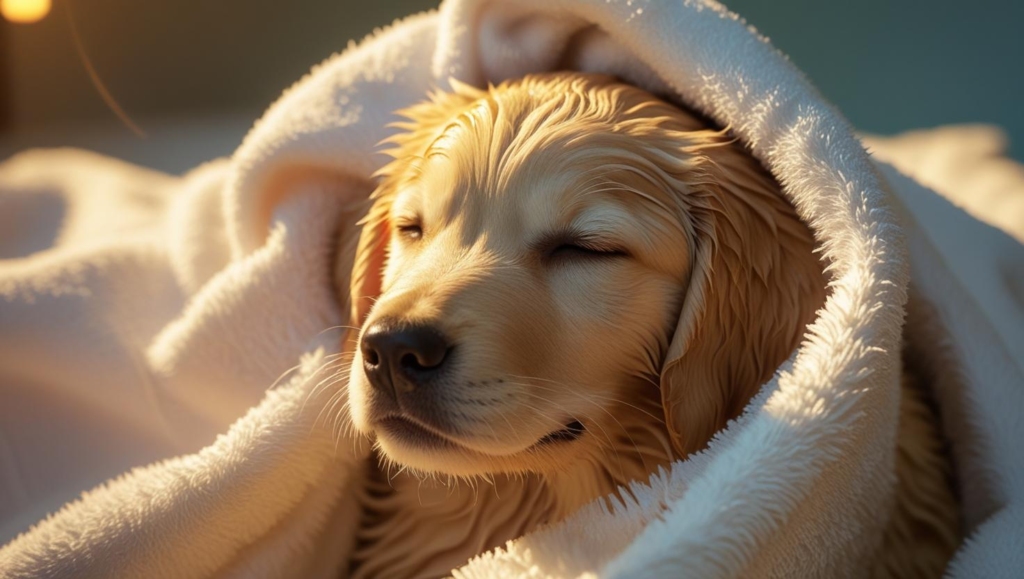
Remove your puppy from the bath and dry off instantly with a soft, absorbent towel: Pat and press. Rubbing may result in knots or skin rashes.
Dry out toes, behind ears, and any other place that water could land. You might also need two towels if your puppy has long or thick fur.
Rumi turned into a burrito out of the towel. He stayed so emotionless. I think he loved the warmth and peace we shared afterward.
Blow-Dry, (if necessary), Only on Low
If your puppy can accept it, use a dryer on the lowest heat and a sound retreat that is pet-safe. You must hold it at least a foot away and keep it moving at all times. Never concentrate on the same point too long.
The sound scares many puppies. In case your scared ones appear scared, no use putting them in the dryer, instead place them in a warm room wrapped in a blanket or towel to air.
I took Rumi through the dryer once, but he did not like it. We just sat on the floor and let him dry off with a towel. It was longer, but peaceful. And I believe that he liked it so.
The Post-Bath: Cuddles, Treats and Trust.
Reward your puppy after he or she is clean and dry. Treat them or cuddle them. Make the cleaning-up part of the bath feel positive so they can recall it that way.
Taking baths is not a hygienic way to stay clean. It’s about establishing a schedule for your puppy and making him feel safe. The more positive and secure the process is, the better your puppy will act.
He runs to get the towel as soon as he sees it. It was my brother who was scared during his first bath. After that, it became one of our favorite little traditions.
The Things to Avoid While Bathing a Puppy
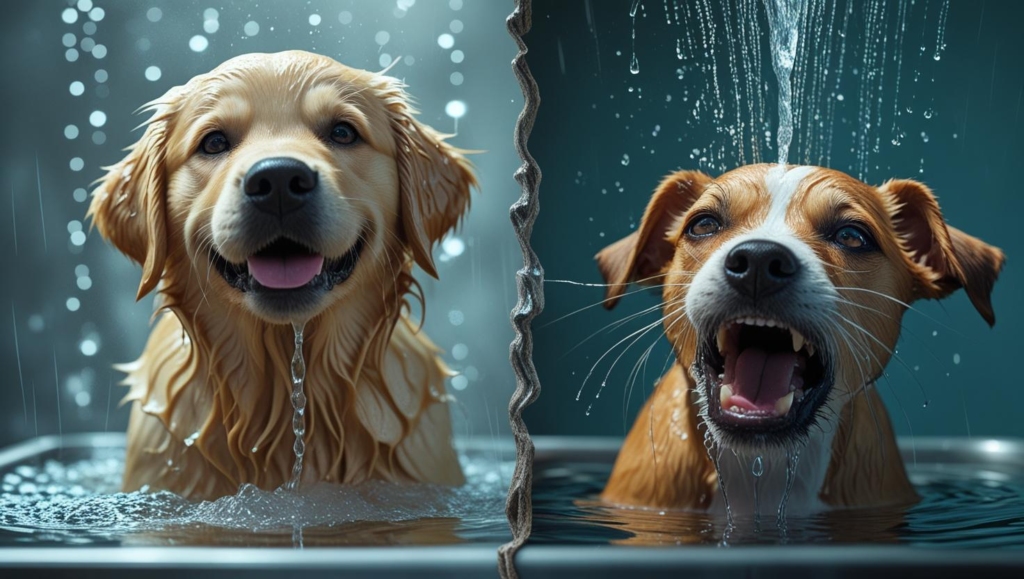
A bad way of bathing your puppy may be worse than not doing so.. You should not make several mistakes, which may make your puppy angry, irritate their skin, or develop a fear of baths in the long term.
I was forced to acquire some of these lessons by the awkward way with Rumi. Although I did my best not to pay attention to this, I still missed some minor details. Knowing what to avoid helped tremendously to both of us.
Do not use hot or cold water
It should be lukewarm water at all times. A good amount of hot water can easily burn the sensitive skin of your puppy. Exposure to cold water may make them shiver, or, worse, cause hypothermia. Puppies keep their bodies at the right temperature, but adult dogs don’t.
I filled the sink a little too warm one time with Rumi and didn’t even know it. As soon as I tried it on him, he pulled away. This small reaction showed me how sensitive puppies are. After that, I never go into a pool without putting my hand in the water first.
Do not pour Water Over their Head or Face
It is frightening and unpleasant to pour water over the face of your puppy.
Water may enter their ears, eyes, or nose, causing infections or pain. Rather than pouring out, put a soft, damp cloth and gently wipe the face and muzzle.
In my initial days bathing Rumi, I completely forgot to put my face in the water because I did not know what to do. After I had put on a hot cloth in its place it, the whole business became quieter. He remained motionless, and I could freely clean him without any stress.
Do not Use Human or adult Dog Shampoo
Puppies cannot use human shampoo, including baby shampoo.. It does not suit the pH of their skin and may cause dryness, itching, or an allergic reaction. The shampoo made especially for adults may also be overstimulating to a young pup’s coat.
I had an urge to use what I found at home once after I did not receive the appropriate puppy shampoo. Fortunately, I consulted my vet. He has described the difference between a puppy’s skin. It is good that I waited and got the right shampoo for young dogs. That decision helped keep Rumi’s coat soft and healthy.
By the way, don’t Bathe Much
Excessive bathing of your puppy may remove the natural oils on the skin, which help the skin.. Such oils will maintain the coat’s shine and healthy skin. Your puppy may develop dry patches or flakiness if over-bathed.
Take a bath every three to four weeks or so unless your vet tells you otherwise. A spot clean with a damp cloth does the trick, as long as they are mopped in between so they do not become soiled.
Rumi used to enter the garden, and when he returned, he looked like a mud monster. I thought of giving him another complete bath on the spot. However, I ended up wiping him off and, after a few days, took him to have a proper bath. It prevented his skin from drying out and also got the task done.
Do Not Become a Hurry-up Guy in the Bath
Puppies are sharp at seeing everything.. When you hurry, you might overwhelm them. The bathing session must not be a hectic one. Take time. Speak to the puppy using a low tone. Reassure them when they are nervous.
My early sessions with Rumi made me go too fast. He would wriggle, appear to hesitate, and make an attempt to crawl out. I understood I had to slow down. After doing so, everything changed. Bath time was also a time of trust, unlike a chore.
Stay, Have Patience, and Gently
Bathing your puppy isn’t just about cleaning it.
In that moment, you can build confidence, comfort, and a bond. When treated with the utmost care, it might turn out to be something your puppy would really enjoy, especially.
Interestingly, he used to get upset and even cry when I touched the shampoo and towel. Now, when he sees me bend down to pick them up, he stays calm. It started as a risky adventure, but now it’s just something we do every so often and enjoy.
Is it Possible To Wash a Puppy Using Water Only?
Water alone is safe enough to use to wash a dog. Indeed, a bath with only water isn’t always a bad thing; sometimes it’s even better.
Rumi was playing in soft mud outside our backyard when I found this out. Because he hadn’t had his shampoo bath yet, his skin wasn’t used to the new place. I didn’t want to do too much. To clean him, I ran a warm towel slowly over him with plain water. It quickly calmed and didn’t bother me.
How Best to Use a Water-Only Bath
Puppies younger than eight weeks old can only get baths with water. Their immune systems are still developing, and their skin is particularly vulnerable at that age. Most of the time, even light shampoo is too much for them. In the first few weeks, all you need is a soft cloth and some warm water to clean up small mistakes.
Although the puppies become older, it may also be the time when the shampoo is not needed at all. If your dog just got a little dirty (dusty) or rolled in the dry grass, a simple water rinse will work well. That’s an easy way to keep them clean between baths without altering their natural oils.
It was with Rumi that I started doing these quick, rinse-only clean-ups after we went to the park. They helped get rid of dust and germs without having to use a half-bath, which was a pain. He didn’t seem to mind at all.
The Benefits of Having Water-Only Baths for Puppies
Dogs have a natural layer of oils that protects their skin. It protects them from drying out, inflammation, and environmental irritants. Their skin becomes itchy or flaky when they wash it too much or use shampoo too often.
Using only water when bathing helps sustain this natural balance.
For dogs with sensitive skin, allergies, or who are just now becoming allergic to grooming products, the pup ice cream is very helpful. If you don’t know what’s causing the skin problems, it’s best to let the skin rest for a while before washing again. This will also help you figure out what’s causing the issues.
This is exactly what I did when Rumi scratched more than expected. For two weeks, I stopped using cleaning products and took only water baths. His skin got better, and I later got him a different shampoo that was better for him.
Natural Rinses instead of Shampoo
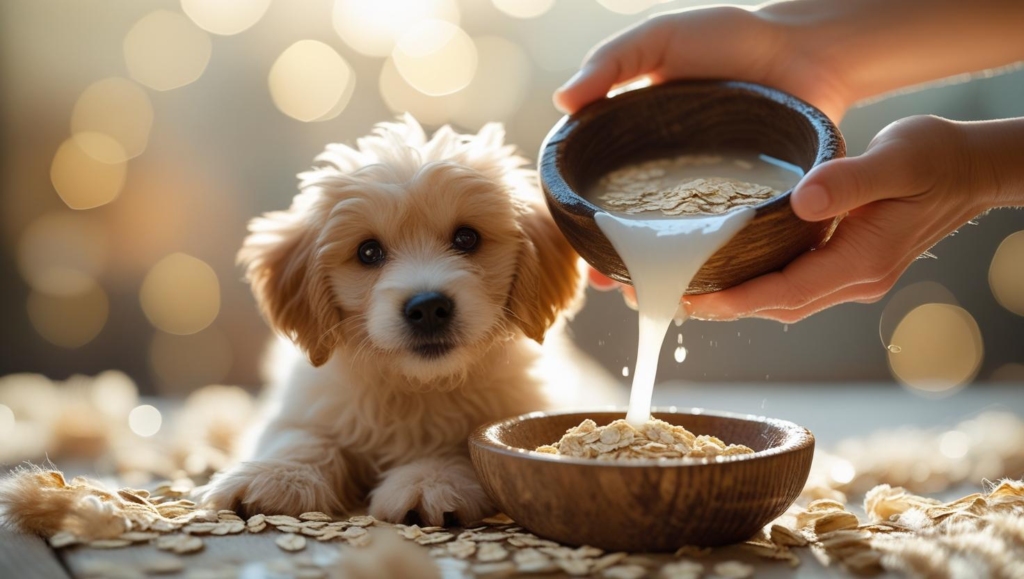
If normal water doesn’t seem like enough, a natural rinse might be a good middle ground. One of the best and easiest treatments is an oatmeal rinse. Because it is soft and healing, it is good for puppies whose skin gets itchy or dry.
When you make one at home, you need to grind plain, unflavored oats into a fine powder and mix them with warm water until the cereal looks cloudy and milky. Pour the liquid into your puppy’s coat and massage it in gently. Leave it on for a few minutes and then rinse.
I have rinsed Rumi with this rinse more than once, especially during allergy season. His fur got softer and cooler, lost its heat, and no longer smelled strongly. It was also easy to fix yourself with things you already had in your cupboard.
If your puppy’s skin is consistently sensitive, you may also ask your vet about other rinse options. Some people also say that chamomile tea rinses or waterless sprays are good for dogs with sensitive skin.
Picking the right Shampoo to use on Puppies
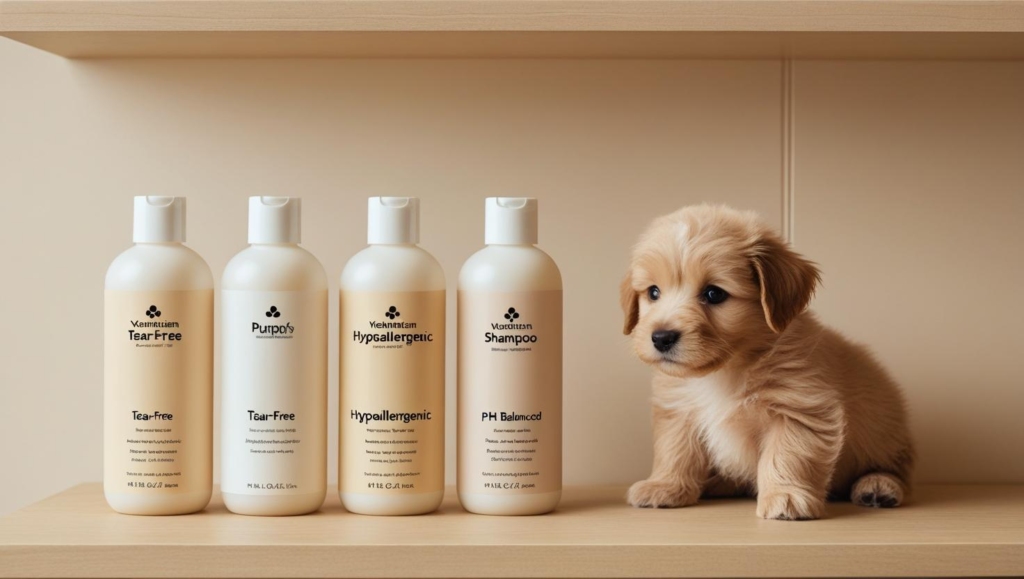
The type of shampoo you use when it is time for your puppy to take a real bath is very important. Given the right recipe, bath time for your puppy will be safe, relaxing, and good for his skin and fur.
Look for shampoos made just for puppies. The pH of these is just right, and they don’t contain any harsh ingredients. Labels that say the product is tear-free, hypoallergenic, or vet-approved are also good signs that it is safe for young dogs.
Aloe and oatmeal made Rumi’s first shampoo mild and believable. There wasn’t much foam, though, and it smelled natural. It felt soft on his coat after putting it on. I first did it on a small part of his belly to make sure he wouldn’t complain.
Ingredients That Are Applicable Puppy-wise AND Good
Natural chemicals that calm and protect are what make shampoos work best. When you itch or are irritated, oatmeal can help. Aloe vera keeps the skin wet and helps it heal. Chamomile is light, has a pleasant smell, and may help reduce swelling.
Since the chemicals are mild and won’t irritate most skin types, even sensitive puppies can use them. It took longer for Rumi’s coat to get dirty, so I only had to bathe him less often when I used shampoos with these easy-to-process plant materials.
What Ingredients do You Skip?
What’s in the shampoo is just as important as what’s not. You should not use a product that has an ingredient that has alcohol, parabens, sulfates, artificial dyes, or any man-made smell. All of these things might not be good for your puppy’s skin or nose, especially when it is still growing.
Rumi would sometimes react to a shampoo I used that had a flavor because it smelled better. It took me a while to realize that that fake scent would be too strong for him. That day, I decided I would either not wear any perfume or use only light ones made from plants.
Reliable brands of puppy shampoos
There are many good names for shampoos for puppies.
Many people who own pets like the Earthbath name. Their shampoo doesn’t contain soap, and the chemicals in their puppy shampoo are organic. The Burt’s Bees for Puppies is another product you can trust. It uses simple, natural things like honey and buttermilk. Vet Best Puppy Wash contains aloe and vitamin E, which help clean and heal the skin.
Read the mark carefully. When your puppy is going to use something for the first time, test a small area with it. It’s better to be safe than sorry, and even natural ingredients may have mild effects.
Smart Choices to a Gentle Bath
How you bathe your dog can also affect how he or she feels about being groomed for the rest of his or her life, depending on whether you use water or a shampoo suggested by the vet. Take it easy at first. Use things that are just right for them. Always watch how they respond after putting it on. Things like this one that I learned from Rumi always work: simple things do the trick. As long as there was soft music, warm water, a relaxing atmosphere, and nice shampoo, we both enjoyed bath time.
Conclusion
It’s not just a way to clean up after your puppy; it’s also a straight way to build trust, make your puppy feel better, and show him the benefits of care. Whether you use plain old water, an oatmeal conditioner that calms dogs, or a light shampoo for puppies, the way your dog feels about these first meetings will depend on what you use.
People often say that it can be very hard at first, but don’t worry, you’re doing significantly better than you think. Every splash, rinse, and towel dry is like a link that gets stronger over time. So, take a big breath, do what feels right, and remember that your love is more important than being perfect.
Once you’re ready, turn on the warm water, grab that nice, wet towel, and make bath time a beautiful time for both of you.
FAQ About Bathing Your Puppy
1. How frequently would I need to bathe my puppy?
This is generally only necessary once per 3-4 weeks, although they can become fairly grubby. Excess baths may deprive their skin.
2. Is it possible to bathe my puppy after vaccination?
Yes, and do not do so within 48 hours after shots. Before you take your puppy to the bath, allow him or her to rest after activities so he or she or she will be fresh.
3. Which comes first brushing the puppy or bathing him?
Never brush after the bath, as it causes tangles and sheds hair. It contributes to easy cleaning.
4. Can baby wipes be used on my puppy?
These have to be pet-safe and fragrance-free. Ordinary baby wipes can irritate puppy skin.
5. How do I handle it when the shampoo enters the eyes of my puppy?
Wash right now with tepid water and observe the redness. In case the irritation persists, consult your et.
6. What can I do to make my pup relaxed after a bath?
Talk in low tones, move slowly, and use treats and praise. Make the baths quick and positive.
7. Can I blast my puppy with a hair dryer?
Do not use it on low and place it at a distance away from their skin. Safe is some towel dry.
8. At what age can I use a flea shampoo?
Never apply flea shampoos unless they are clearly labelled safe for puppies, and you must first talk to your vet because some are too harsh for young pups.
9. Is it possible to wash the puppy when they has a rash on the skin?
Not without a vet’s advice. Certain shampoos could actually aggravate it. A veterinarian can prescribe a medicated or a gentle one.
10. How to get my puppy to admit that he hates baths?
Start slow. Wet a cloth and clean it off. Apply a great deal of praise and rewards. Have it brief and be entertaining.