All Natural Flea Remedies for Dogs Every Owner Should Try
Fleas may not look like much, but they do a lot of damage to dogs and our houses. Many pet owners use chemical flea treatments without realizing the hidden risks, such as skin irritation, allergic reactions, and even long-term health problems. Some people think natural medicines are “too weak,” but if used correctly, they can be safe and very effective.
But the truth is that fleas are tough bugs that feed on blood and reproduce quickly. They can make your dog and your life a horrible, itchy nightmare. This article features natural flea treatments backed by science, approved by vets, and tested by pet owners. We’ll find safe, long-lasting answers by using what I’ve learned from vets, my time working on a dog farm, and my own experiences with dogs.
Understanding Fleas and Why Natural Remedies Matter
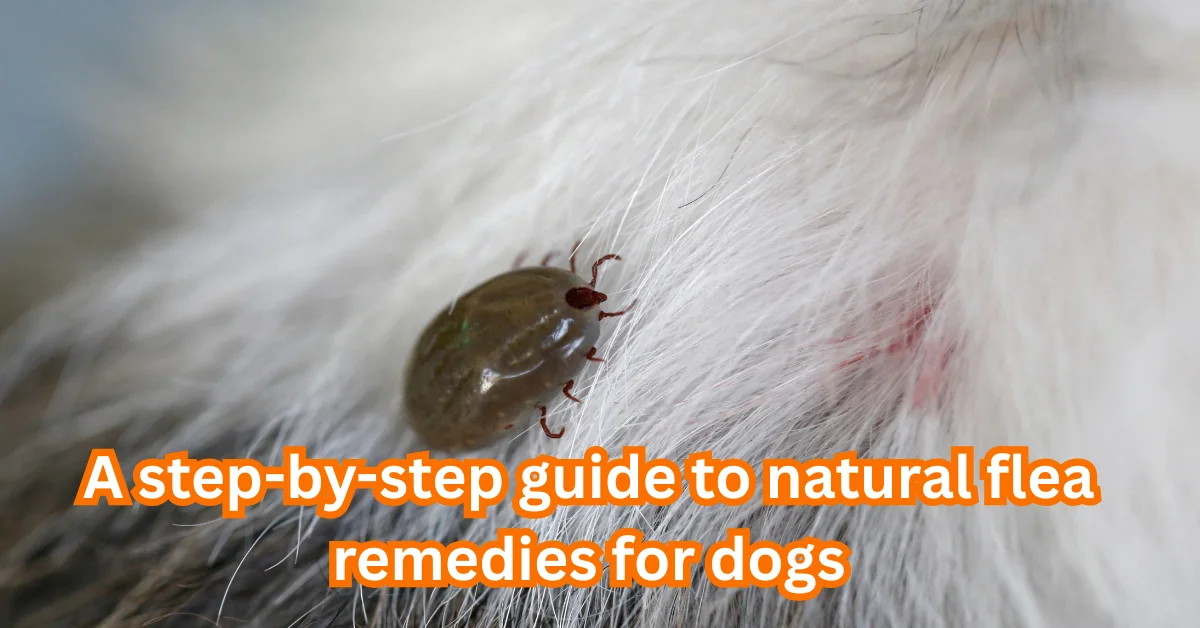
Fleas are more than a nuisance. They are parasites that thrive on your dog’s blood and spread quickly through your home. Knowing how they live and why natural remedies help is the first step to keeping your dog safe.
The Flea Life Cycle
Fleas multiply fast. One flea can lay up to 50 eggs a day. Those eggs drop into carpets, bedding, and even soil. They hatch into larvae that feed on debris, then spin cocoons and wait. Inside the cocoon, they can survive for weeks or months until the right conditions trigger their emergence. This is why fleas keep coming back even after you kill the adults.
How Fleas Affect Dogs
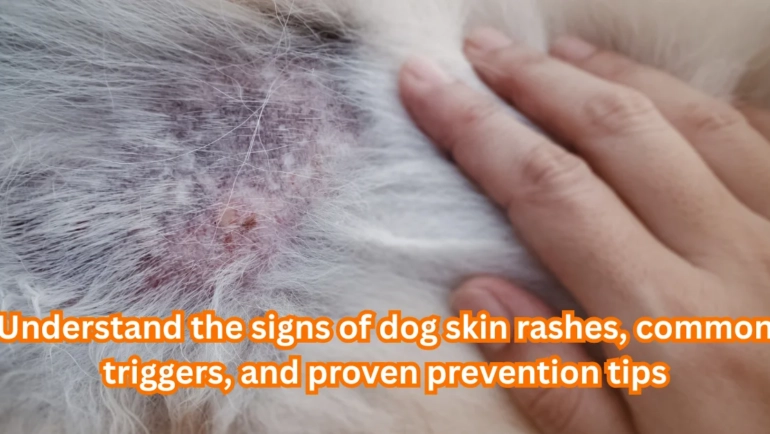
Flea bites cause constant itching and scratching. Some dogs develop painful hot spots or allergic reactions to flea saliva. Severe infestations can drain so much blood that puppies or small breeds risk anaemia. Scratching also opens the skin, increasing the risk of infection.
I remember 2 years ago, Bella, a rescued Lab who came into Ozark Dog Farm covered in fleas. She was so weak from anemia that she could barely stand. Seeing her recover after treatment reminded me how serious flea problems can be if left unchecked.
Why Chemical Treatments May Not Be Ideal
Flea medications work, but they can cause side effects. Some dogs develop rashes at the treatment site. Others experience vomiting, lethargy, or neurological issues. Long-term use may strain the liver or kidneys. Over time, fleas can even grow resistant, making the products less effective.
My friend, Dr. Emily Carter (DVM), once told me to always watch closely after applying chemical preventives. Not every dog reacts the same way, and some are far more sensitive than others.
The Benefits of Natural Flea Remedies
Natural remedies are safer for dogs and the people around them. They are eco-friendly and won’t pollute your yard or waterways. Many are cost-effective and use ingredients already in your kitchen. They also support your dog’s overall health by improving skin and coat condition.
These methods aren’t weaker alternatives. When used consistently, natural remedies can keep fleas away without exposing your dog to unnecessary risks.
Key Principles Behind Natural Flea Control
Targeting Fleas at Every Life Stage
You can’t stop fleas by killing adults alone. Flea eggs, larvae, and pupae hide in carpets, bedding, and yards, waiting to hatch. True flea control means breaking the cycle at every stage. If you miss one, the infestation comes right back.
Action steps:
- Use flea combs and natural sprays on your dog
- Wash bedding and blankets weekly in hot water
- Vacuum carpets, rugs, and furniture often
- Treat outdoor areas with natural solutions like diatomaceous earth or nematodes
Supporting Your Dog’s Immune System and Skin Health
A strong dog fights fleas better. Healthy skin and a balanced immune system make bites less painful and infections less likely. Nutrition matters. Omega-3s, probiotics, and vitamins can strengthen the coat and reduce sensitivity. When my Golden Retriever, Rumi, struggled with fleas, adding salmon oil to his food made a huge difference. His skin calmed, and the itching eased.
Action steps:
- Add salmon oil or flaxseed oil for omega-3s
- Include probiotics for gut and immune health.
- Feed vitamin-rich foods or vet-approved supplements.
- Keep skin clean and coat well-groomed.
Keeping the Home and Outdoor Environment Flea-Free
Fleas don’t just live on your dog. They hide in rugs, furniture, kennels, and shady corners of the yard. That’s why you need to clean everywhere. Vacuum often, wash bedding in hot water, and treat outdoor spaces with safe options like diatomaceous earth or beneficial nematodes. At the farm, we learned that treating only the dogs never worked. We had to treat the barns and runs, too.
Action steps:
- Vacuum daily in flea season and empty the bag outside
- Wash dog bedding, blankets, and soft toys in hot water.
- Sprinkle diatomaceous earth in carpets and yard edges.
- Release beneficial nematodes in damp outdoor soil.
Practising Consistency Over Quick Fixes
There is no quick fix for fleas. When you use natural treatments regularly, they do work. Cleaning often, reapplying treatments, and sticking to habits that keep you healthy make all the difference. Over time, you make a place where fleas can’t live. The result is a better dog and a home that doesn’t smell like fleas.
Action steps:
- Stick to a weekly flea prevention routine
- Reapply natural sprays or oils as directed
- Monitor your dog daily for signs of fleas
- Keep prevention habits year-round, not just in summer
Natural Flea Remedies for Dogs
Natural flea remedies give you safer ways to protect your dog without harsh chemicals. They can ease irritation, improve skin health, and keep fleas away when used consistently. These remedies come from a mix of veterinary advice and years of hands-on farm experience. Below are the most trusted options I’ve used and shared with other dog owners.
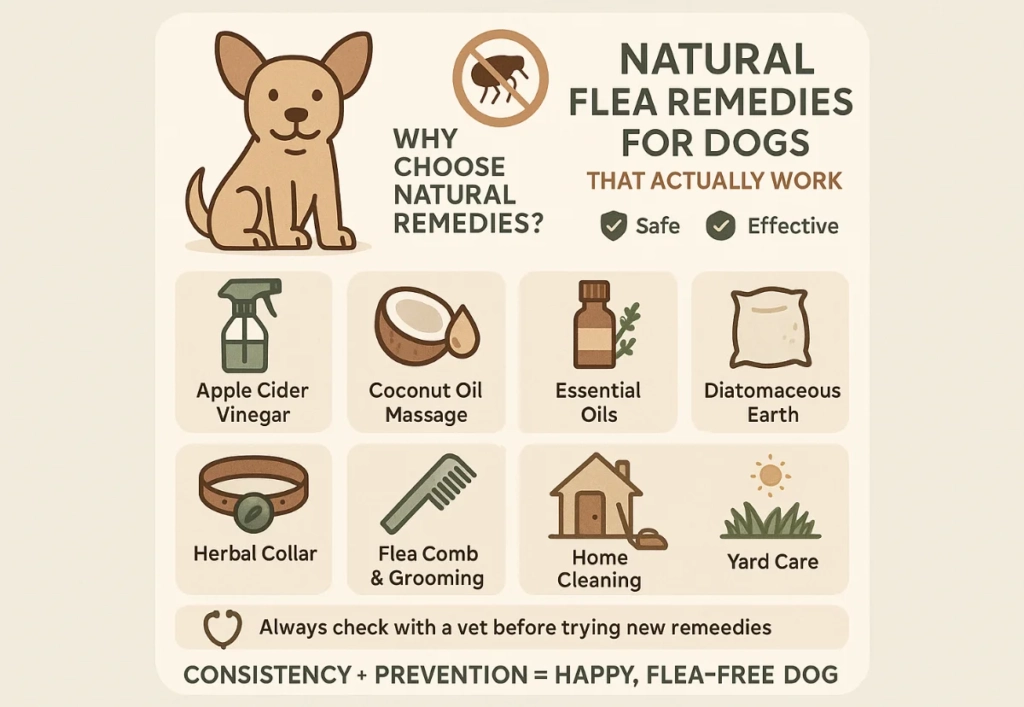
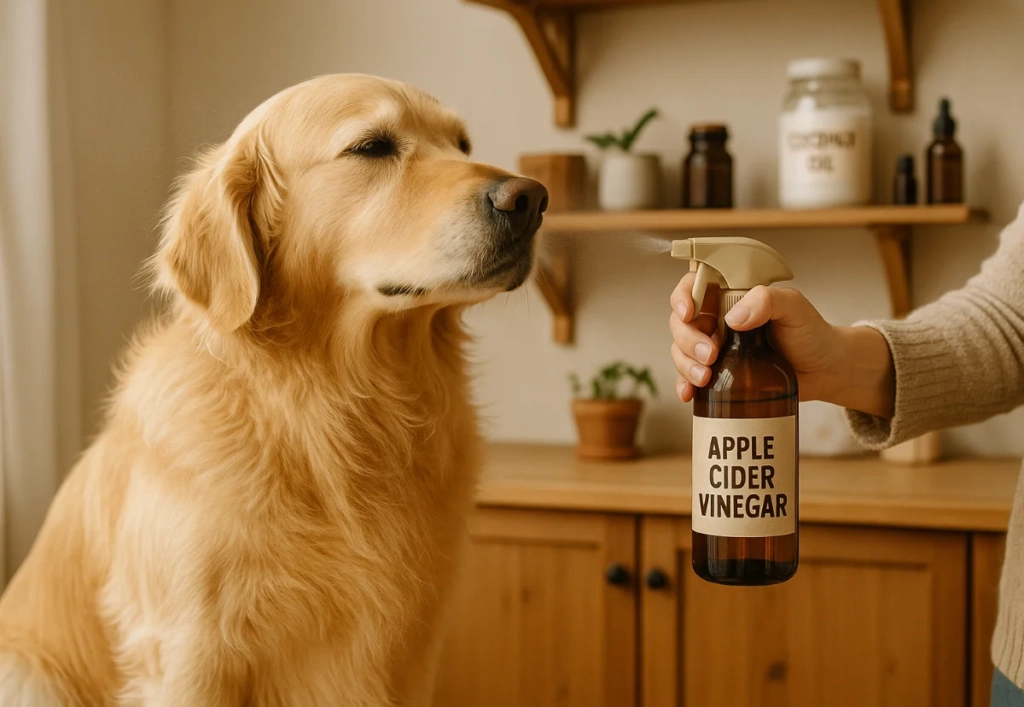
Apple Cider Vinegar Spray
Apple cider vinegar does not kill fleas, but it makes your dog’s skin less attractive to them. It changes the pH balance, which helps repel pests.
How to make it:
- Mix equal parts apple cider vinegar and water in a spray bottle
- Lightly mist your dog’s coat, avoiding the face and open wounds.
- Brush through the fur for even coverage.
Safety tip: Always dilute vinegar. Straight vinegar can sting irritated skin. Test a small patch first.
Coconut Oil Massage
Coconut oil naturally repels fleas while soothing dry or itchy skin. It leaves the coat soft and shiny, and many dogs enjoy the massage.
How to use it:
- Warm a teaspoon of virgin coconut oil in your hands
- Rub into flea-prone spots like the neck, belly, and tail base
- Work through the coat for even coverage
I often used this on Daisy, my Border Collie mix. She leaned into the massage, and her coat stayed glossy and healthy.
Essential Oils (Lavender, Cedarwood, Lemongrass)
Some essential oils repel fleas safely when properly diluted. Lavender, cedarwood, and lemongrass are among the most effective. Peppermint can work, but only at low concentrations.
DIY spray recipe:
- Add 10 drops of essential oil to 2 tablespoons of carrier oil, such as coconut or olive oil
- Mix with 1 cup of water in a spray bottle.
- Shake well before use.
Oils to avoid: Tea tree, eucalyptus, clove, and pennyroyal. These can harm dogs. Dr. James Reynolds, DVM, reminded me often that dilution is key to preventing burns or toxicity.
Diatomaceous Earth (Food-Grade Only)
Food-grade diatomaceous earth is a fine powder that dries out fleas and kills them. It is safe if applied carefully.
How to use it:
- Sprinkle lightly on bedding, carpets, and outdoor resting areas
- Apply a small amount to your dog’s coat, keeping it away from the eyes and nose.
- Leave for a few hours, then vacuum well.
Important: Only use food-grade DE. The type used for pool filters is dangerous to pets.
Herbal Flea Collars and Sachets
Herbal remedies can provide gentle, ongoing protection.
DIY collar:
- Mix 1 tablespoon carrier oil with 5 drops lavender or cedarwood oil
- Soak a cloth collar in the mix.
- Let it dry before putting it on your dog.
Herbal sachets:
- Fill small cloth bags with dried lavender, rosemary, or eucalyptus leaves
- Place them in kennels, beds, or near your dog’s resting areas.
At Ozark Dog Farm, sachets helped keep kennels fresher and less flea-prone without relying only on sprays.
Flea-Repelling Foods and Supplements
What goes into your dog’s body affects how fleas respond.
- Brewer’s yeast may repel fleas and improve skin health.
- Omega-3s from fish oil reduce inflammation and strengthen skin.
- A teaspoon of apple cider vinegar in a quart of water may help, though some dogs dislike the taste.
Garlic caution: Some natural guides suggest small amounts of garlic, but many vets advise against it due to the risk of toxicity. Dr. Carter always said to avoid it unless a vet specifically recommends it.
Natural Flea Shampoo (DIY Recipes)
Bathing gives quick relief and helps remove fleas from the coat.
Oatmeal bath: Mix ground oatmeal with a few drops of diluted lavender oil in warm water. Wash thoroughly, focusing on flea-prone spots.
Neem oil shampoo: Add a few drops of neem oil to mild dog shampoo. Lather well and rinse completely.
Precautions: Avoid using essential oils on puppies under 12 weeks or on sensitive breeds. I once gave Rumi a neem rinse and rushed the wash. The leftover residue made him itch all night. Always rinse until the water runs clear.
Flea Comb and Daily Grooming
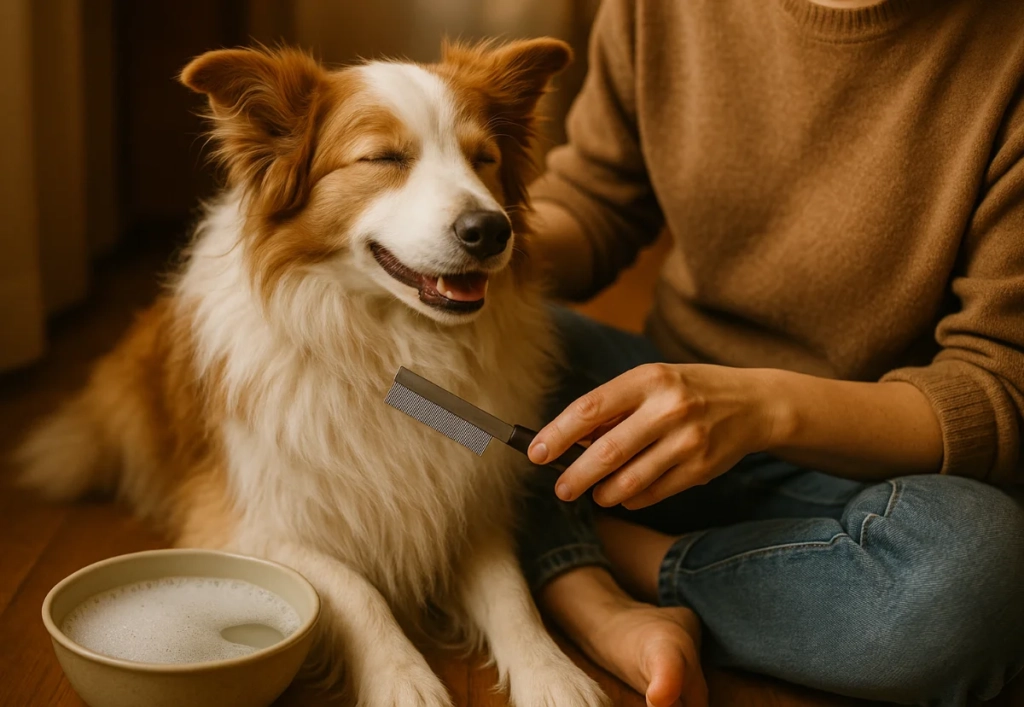
Sometimes the simplest method is the best. A flea comb can catch fleas before they spread.
How to use it:
- Comb through the coat daily with a fine-toothed flea comb
- Dip the comb in soapy water to kill fleas instantly.
- Check for flea dirt, which looks like black specks that turn red when wet.
Daily grooming does more than remove pests. It also builds trust and strengthens the bond you share with your dog.
Home and Yard Remedies to Break the Flea Cycle
You cannot stop fleas by treating only your dog. Most fleas live in the environment as eggs, larvae, or pupae. That means carpets, bedding, and shady corners of the yard. Treating these areas is just as important as treating your pet.
Vacuuming with Baking Soda and Salt
Vacuuming is a great way to quickly and easily eliminate fleas inside. It gets rid of mites and their eggs on furniture and rugs. When you mix baking soda and salt, it works even better. The powder dries out hidden flea eggs and larvae, preventing the next wave of fleas. This worked great in the office where the farm dogs liked to hang out. Pests were scared, it didn’t cost much, and it worked well.
Washing Bedding in Hot Water
A lot of fleas like warm, soft fabrics. You can find thousands of eggs in dog beds, blankets, and even your own clothes. Washing them once a week in hot, soapy water kills both the eggs and the maggots. At first, I only washed Rumi’s bed. But her favorite couch blanket was full of eggs. The fleas slowly started to go away after I washed everything.
Diatomaceous Earth for Carpets
Food-grade diatomaceous earth is another natural way to kill fleas in the home. It works by dehydrating their bodies. Lightly dusting carpets and rugs, letting it sit, and then vacuuming can make a big difference. Always wear a mask when applying, since the fine powder can irritate your lungs. Repeating the process weekly helps break the cycle.
Yard Care with Nematodes, Cedar, and Sunlight
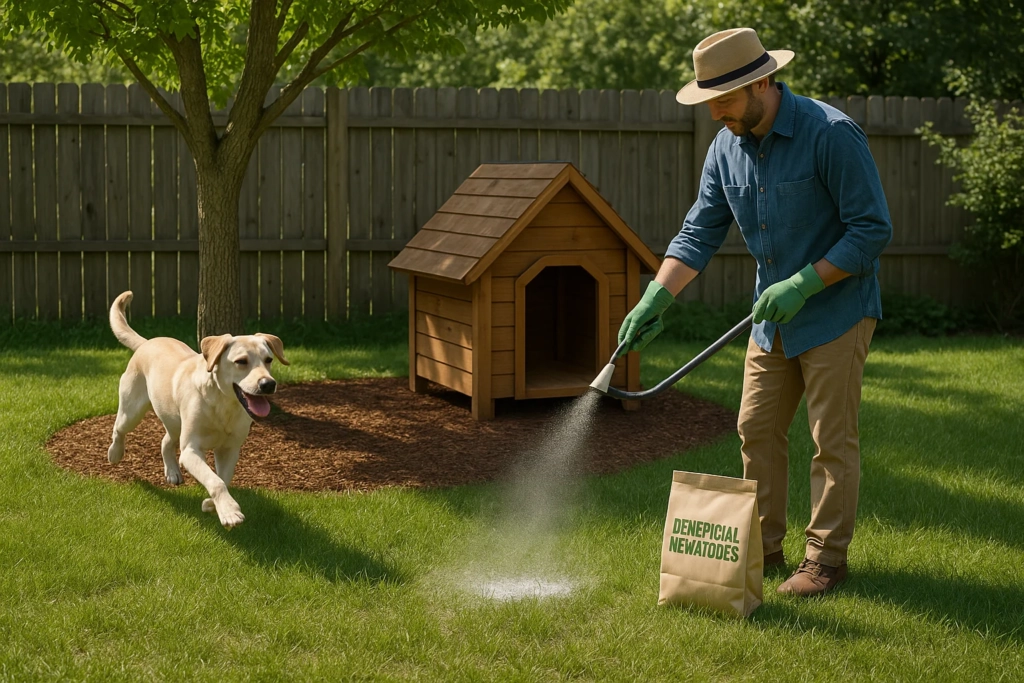
Fleas don’t just stay inside. They do best outside in shady, damp places. If your dog spends time outside, you need to treat the yard. Good nematodes are little worms that eat flea eggs. They are safe for both people and pets. Fleas don’t like the smell of cedar chips, so they can also help repel them. Take care of your lawn, too. A yard with short grass, bare trees, and lots of sunshine is not a good place for fleas to live. I’ve been to a farm in Texas that used nematodes to spread grass on its field. Within a few weeks, the fleas disappeared, and the dogs were much happier without drugs around.
FAQs About Natural Flea Remedies for Dogs
What is the most effective natural flea remedy for dogs?
There isn’t a single “best” remedy, but a combination works most effectively. Apple cider vinegar spray, coconut oil massages, and daily flea combing provide quick relief, while diatomaceous earth and yard care break the flea life cycle in the environment.
Can I use apple cider vinegar on puppies?
No, apple cider vinegar should not be used on puppies under 12 weeks. Their skin is more sensitive, and even diluted solutions may irritate. For young puppies, stick to gentle flea combing and frequent bedding washes until they’re old enough for safe treatments.
Do natural flea remedies work as well as chemical treatments?
Natural remedies can be highly effective, but they usually require more consistency and effort than chemical spot-ons or pills. They are safer for long-term use and often work best when paired with environmental cleaning (vacuuming, washing bedding, yard care).
How long does it take for natural flea remedies to work?
Relief can be noticeable after the first application (such as a flea bath or combing), but breaking the full flea cycle typically takes 3–6 weeks of consistent treatment. Patience and repetition are key to lasting results.
Are essential oils safe for dogs with sensitive skin?
Some essential oils (lavender, cedarwood, lemongrass) can be safe if properly diluted, but dogs with sensitive skin may still react. Always do a patch test on a small area first. Avoid oils like tea tree, eucalyptus, and clove, which can be toxic or irritating even at low doses.