How Is Coconut Oil for Dogs’ Skin Stay Healthy
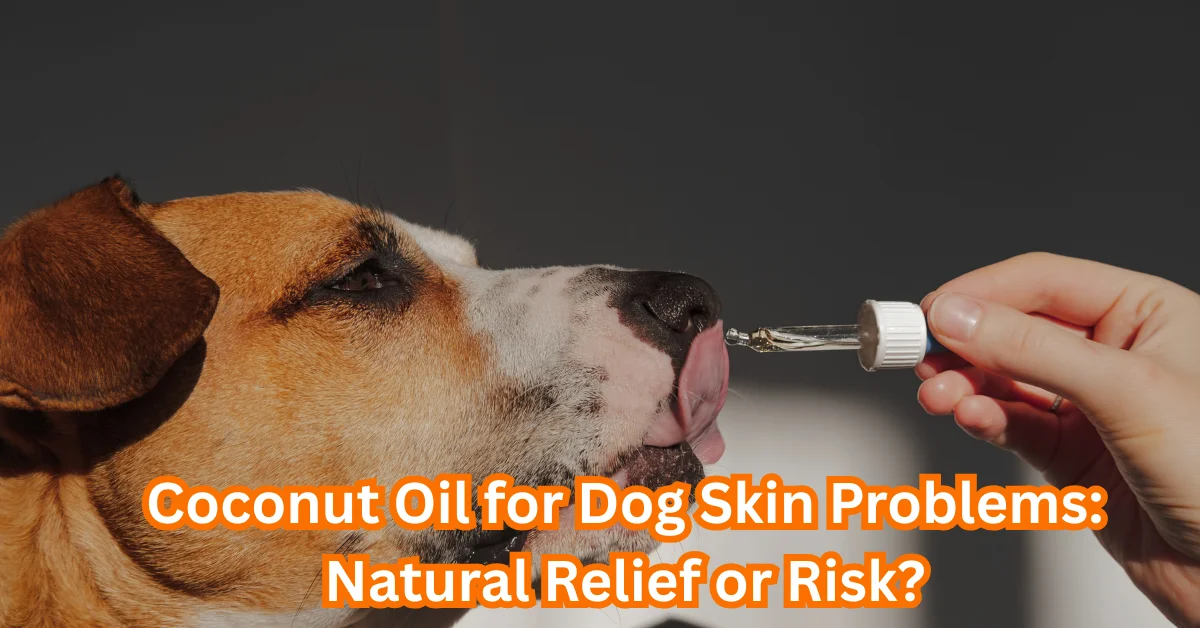
Anyone who asks me about coconut oil for dog skin gets this answer. I know how frustrating it can be when your dog is always scratching, developing flaky patches, or not shining as much as usual. There were times when my dog and I were in that situation, and I wished there was a natural, gentle way to help. That’s why so many pet owners, including me, use coconut oil. It’s easy, cheap, and surprisingly effective when used correctly.
You will learn how to use coconut oil safely on your skin, how it can help with dry, itchy skin, and what risks you should be aware of. By the end, you’ll know if this natural treatment is right for your pet and how to use it to really help them feel better.
Why Is Coconut Oil for Dogs’ Skin
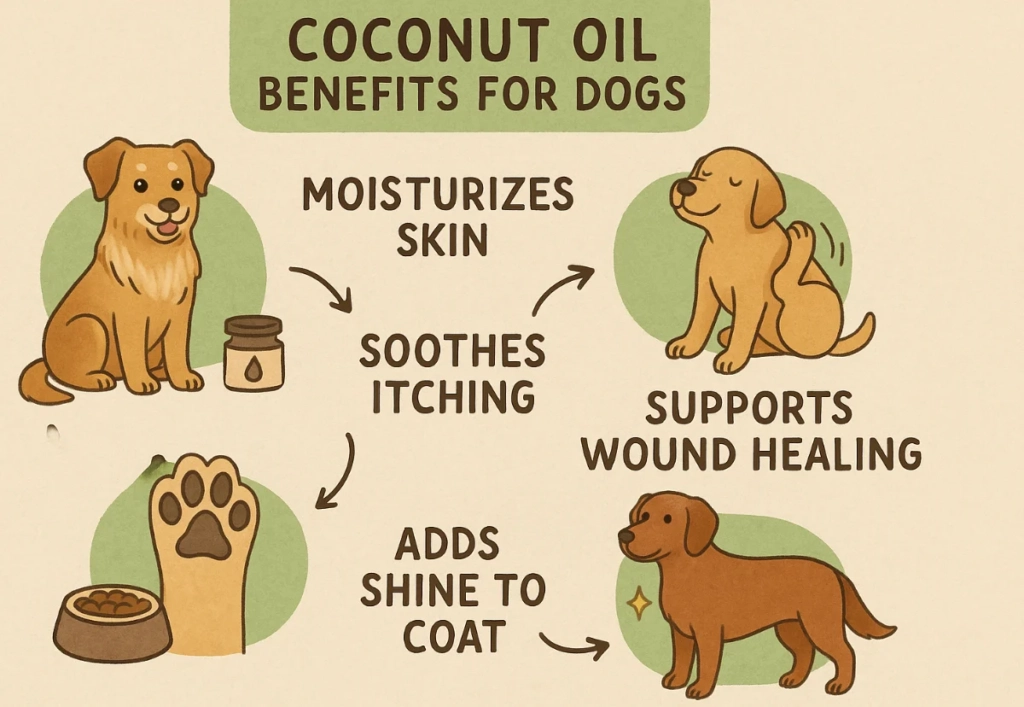
Coconut oil is popular for dogs because it naturally moisturises the skin, soothes mild irritation, supports coat health, and offers antibacterial and anti-inflammatory benefits.
What is Coconut Oil for Dogs?
Coconut oil is just the natural fat that comes from the meat of a fully grown coconut. This food is rich in MCTs, which are easier for dogs to digest than other fats. They contain lauric acid, a chemical that is known to fight germs, fungi, and inflammation. This is why many dog owners use coconut oil to moisturize their dogs’ skin or even as a small food boost. Anyone who wants to know whether coconut oil is safe for dogs should understand that it is when used properly.
Why Dog Owners Turn to Natural Remedies
More pet parents today are looking for safer and gentler ways to care for their dogs. They worry about harsh chemicals in shampoos or the side effects of long-term medications. Natural remedies feel more trustworthy because they are simple and holistic. Coconut oil fits right in with this approach. It is affordable, easy to find, and can be used in several ways, from soothing dry skin to helping with digestion.
This is something I hear a lot at Ozark Dog Farm. I remember when Rumi, my retriever, got a dry, itchy spot behind her ear. I didn’t use a toxic cream; instead, I put a little coconut oil on my skin. The redness went away, and the scratching slowed down in a few days. That made me think about why so many dog owners prefer natural care. Good to know you’re kindly helping your dog.
Coconut Oil in Holistic Pet Care
Coconut oil has earned a spot in many holistic pet care routines. Natural health supporters often say it can help soothe skin, make coats shine, and even improve digestion. Some pet owners also think that fighting off bugs and yeast is good for the immune system.
But keep in mind that coconut oil is not a miracle fix. Instead of a one-size-fits-all answer, think of it as a useful tool. When used in small amounts, it can really improve your dog’s health and pleasure.
Benefits of Coconut Oil for Dogs’ Skin
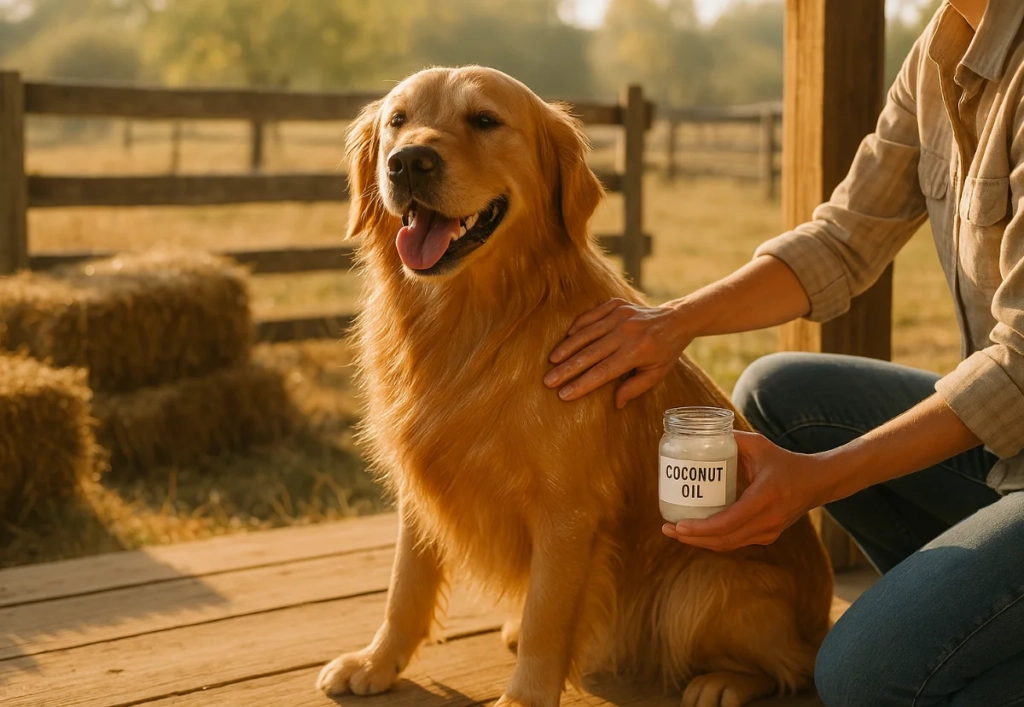
Coconut oil is one of the most popular natural remedies for dogs. It’s healthy fats, especially lauric acid, that bring real benefits for skin and coat. They moisturise, soothe, and protect in ways many dog owners find hard to match with store-bought creams. Vets often recommend it in small, careful doses, and many pet parents see noticeable results.
Moisturises Dry Skin and Coat
Coconut oil soaks into the skin and locks in moisture. This helps reduce dryness, flakiness, and irritation. The American Kennel Club notes that it can restore softness without relying on synthetic products. I’ve seen it work with my own dog, Rumi, during the cold Ozark winters. A light rub was enough to keep her coat from looking brittle and dull.
Soothes Itching and Irritation
Dogs scratch for many reasons, but dry skin and allergies are common culprits. Coconut oil’s lauric acid has natural anti-inflammatory powers. This makes it useful for calming mild itching caused by dryness, bug bites, or seasonal changes. Many vets view it as a safe way to bring comfort until the root cause can be treated.
Helps with Hot Spots and Allergies
Dogs can’t stand hot spots. It hurts more because they lick and scratch it. With coconut oil, these places can have a soft barrier. An organic veterinarian, Dr. Karen Becker, says it kills bacteria and yeast. It helped Rumi feel better until I could take her to the vet after I tried it on a small hot spot she got.
Supports Wound Healing and Inflammation
There is some evidence that coconut oil may help scars heal more quickly. An article from 2010 in the International Journal of Molecular Sciences found that it might help the body make more collagen, which is important for skin repair. Because it kills germs, it also keeps small cuts and scratches from turning into infections.
Adds Shine to the Coat
Beyond skin relief, coconut oil gives coats a healthy shine. By smoothing the hair shaft, it strengthens strands and helps prevent breakage. Groomers sometimes suggest it for dogs with dull or fragile coats. The result is fur that not only feels soft but looks vibrant too.
How to Use Coconut Oil for Dogs’ Skin
You can use coconut oil on your dog’s skin by massaging it into the coat, applying it to problem spots, or adding small amounts to food. The process is simple, but the key is to do it safely and in moderation. Here are the 4 easy steps:
Topical Application for Skin and Coat
Take a small amount of coconut oil and warm it between your hands until it softens. Gently rub it into your dog’s coat and skin, paying extra attention to dry or flaky spots. Let it sit for five to ten minutes before wiping away any excess with a clean towel. This method leaves the skin hydrated and the coat soft and shiny. On the farm, I often do this with Rumi after grooming. She loves the massage, and her jacket always looks healthier afterwards.
Spot Treatment for Hot Spots and Irritation
You can also use coconut oil to heal small areas of skin inflammation. First, use a wet cloth to clean the area. After that, put a little oil on the spot. Do it a few times a day until it starts to look better. Call your vet if the redness spreads or if your dog licks excessively. For minor problems, coconut oil can help, but for bigger ones, you should see a doctor.
Adding to Food for Skin and Digestion
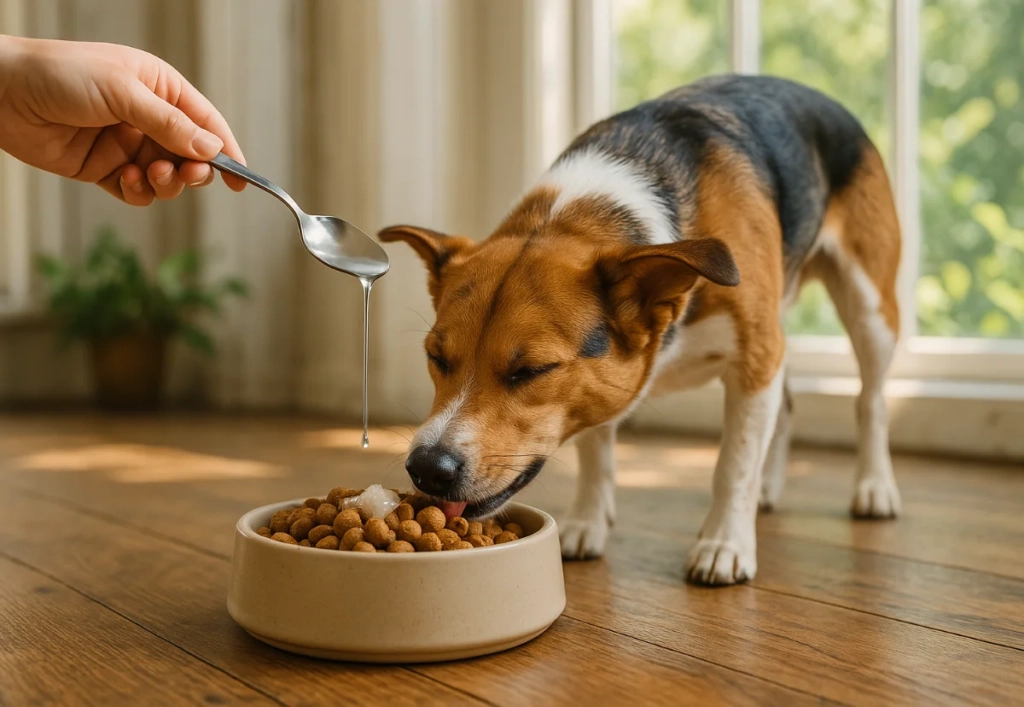
People who own pets like to add coconut oil to their pets’ food to help their skin from the inside out. For a smooth start, eat a very small amount at first. 1/4 teaspoon for small dogs and 1 teaspoon for medium-sized dogs are popular places to start. Up to one tablespoon a day is fine for big dogs. I did this slowly the first time I tried it with Rumi. That way, her stomach didn’t have any issues.
Dosage Guidelines by Size
Small dogs under 15 pounds: one-quarter to half a teaspoon daily.
Medium dogs 15 to 30 pounds: half to one teaspoon daily.
Large dogs 30 to 60 pounds: one to two teaspoons daily.
Extra-large dogs over 60 pounds: up to 1 tablespoon daily.
Caution
Always talk with your vet before adding coconut oil to your dog’s routine. Dogs with pancreatitis, weight issues, or sensitive stomachs may not handle extra fat well.
Risks and Precautions of Coconut Oil for Dogs
Coconut oil can be helpful, but it also carries risks. Some dogs benefit, while others may react poorly. Using it responsibly means knowing the possible downsides.
- Allergic reactions: Some dogs are allergic to coconut oil. Watch for redness, itching, swelling, or stomach upset. If you notice these signs, stop using it and call your vet. Natural does not always mean safe for every dog.
- Weight gain and pancreatitis risk: Coconut oil is high in fat and calories. Too much can cause weight gain or trigger pancreatitis in dogs with sensitive digestion. I’ve seen farm dogs put on weight quickly when owners add too much to their meals. A small amount is usually enough.
- Sensitive stomachs: Some dogs cannot handle coconut oil internally. Even a little may cause diarrhoea, vomiting, or gas. Start tiny, go slow, and monitor closely for changes.
- When not to use: Avoid coconut oil if your dog has a history of pancreatitis or severe obesity. Do not apply it to deep, bleeding, or infected wounds; those need veterinary care. Be cautious if your dog has food allergies related to coconut.
Before giving your dog coconut oil for skin or as a supplement, always talk to your vet first. Someone who knows a lot about dogs can help you make the best choice. Coconut oil might make allergies worse, upset your stomach, cause weight gain, or make gallstones worse. If you want to use it on an infected cut or a dog with a sensitive stomach, you should contact your vet first.
Vet-Approved Alternatives to Coconut Oil
Alternatives to coconut oil include oatmeal shampoo, omega-3 supplements, and medicated sprays or ointments. Each option offers different benefits, and your vet can guide you to the best choice for your dog’s needs.
Oatmeal Shampoo
One of the best natural ways to soothe a dog’s skin is to use oatmeal. Oatmeal shampoos can help relieve dryness, itching, and discomfort caused by allergies or seasonal changes. In contrast to coconut oil, oatmeal shampoo cleans and moisturizes simultaneously. Many vets say dogs with sensitive skin should do it. During pollen season, I have given Rumi oatmeal baths, which always make her feel better and less itchy.
Fish Oil and Omega-3 Supplements
A lot of research has shown that omega-3 fatty acids are good for your skin and hair. They help dogs that scratch a lot or have hot spots by reducing inflammation and boosting the immune system. The American Veterinary Medical Association discusses how good they are for your face and overall health. You can get them in both pill and liquid form, which you can mix into food. When I introduced fish oil to Rumi’s diet, I started slowly, and within weeks her coat had a glossy shine.
Medicated Sprays and Ointments
Naturally based cures don’t always work. Vets often give medicated sprays or ointments to treat illnesses, sores that won’t go away, or fungal problems. These methods get right to the root of the problem and work faster than coconut oil. Natural care can still help the body heal, but for serious illnesses, you should always see a doctor.
FAQs About Coconut Oil for Dog’s Skin
Here’s a structured FAQ section answering the most common questions dog owners search for. These responses are evidence-based, easy to read, and include occasional insights from practical experience.
Is coconut oil safe for dog skin?
Yes, in most cases, coconut oil is safe for dog skin when used appropriately. Its antimicrobial and anti-inflammatory properties help moisturise dry areas, soothe itching, and support minor hot spots. However, some dogs may be allergic or develop irritation. Always start with a small amount and monitor your dog’s reaction.
Can I put coconut oil on my dog every day?
Daily use is generally safe in small amounts, especially for targeted areas like dry paws or itchy patches. For full-coat massages, 1–2 times per week is usually sufficient. Overuse can leave a greasy coat or, if ingested in large amounts, may cause digestive upset.
Can dogs lick coconut oil off their skin?
Yes, dogs often lick it off, but small amounts are usually harmless. Topical applications should be thin and controlled. If your dog tends to over-groom, consider rubbing it in lightly and wiping off excess to avoid stomach upset.
How long does it take for coconut oil to work on dogs?
Results vary depending on the issue:
Dry skin & coat: 1–2 weeks of consistent use
Itchy spots or minor irritation: Usually within a few days
Hot spots or infections: Coconut oil may soothe discomfort but won’t replace veterinary treatment; consult your vet if symptoms persist
Coconut oil vs olive oil for dog skin – which is better?
Coconut oil has antimicrobial and antifungal properties due to its lauric acid. Both oils can moisturize the skin. Olive oil is great for keeping skin moist, but it doesn’t kill germs very well. Coconut oil might be best for dogs with dry skin and small irritations, but olive oil is also a good choice because it is mild.
Conclusion
Adding coconut oil to your dog’s skin care routine can be easy and help. It can soothe mild irritation, moisturize dry skin, help small wounds heal, and even restore hair to a healthy shine. It’s not a cure-all, though. Too much of it or using it in the wrong way could make your stomach upset, make you gain weight, or cause allergic responses.
Moderation and direction are very important. Make sure you only use small amounts and watch how your dog reacts. Also, talk to your vet before making it a normal part of your dog’s care. Most of the time, the best results come from combining coconut oil with other products vets recommend, like oatmeal shampoo or omega-3 pills.
Have you given your dog coconut oil? Please share your thoughts in the comments. Maybe one of your tips and stories will help someone else find the comfort their dog needs.