
Flea Bath for Dogs: How Often Should You Give Your Dog a Flea Bath?
Have you ever felt useless as you watched your dog scratch nonstop? It breaks my heart, like seeing a loved one hurt and not being able to stop it. Fleas can make your dog unhappy and itchy, and they can also be very annoying to you. “Should I give them another flea bath?” you may be asking yourself. Is it too soon? “What if I hurt more than I help?” You’re not the only one going through this.
These steps will show you how often to bathe your dog to get rid of fleas, how to do it safely, and how to keep those pesky bugs away for good.
What Is the Best Flea Shampoo for Dogs?
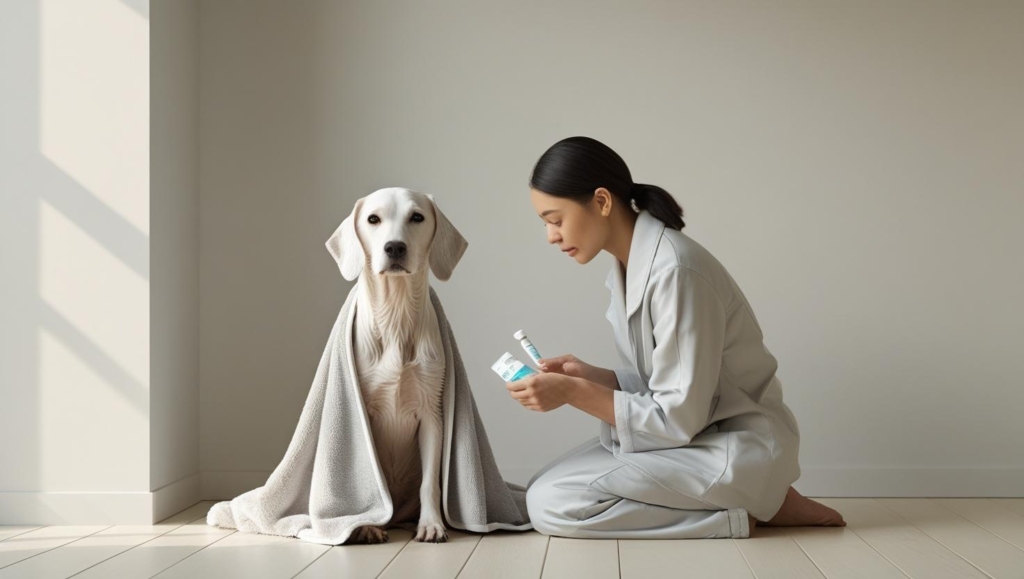
The best flea shampoo for your dog is one that’s both safe and effective for their skin and age. You should be careful not to pick the wrong flea shampoo because it might hurt your pet more than help.
I was totally stressed out when my dog Rumi got fleas for the first time. I stood in the pet store aisle and stared at a wall of shampoos. There were chemical shampoos, natural shampoos, and shampoos with names I couldn’t say. I only wanted something that would make her stop scratching quickly and feel better.
Vet-Recommended Options Work Best
Talk to your doctor first every time. They know which shampoo will work best for your dog because they understand your dog’s health history. Our vet told me to use Adams Flea and Tick Shampoo. In just one day, it stopped Rumi from itching, and she was better. Sentry Flea and Tick Shampoo is another brand many pet owners trust.
These products kill fleas and soothe itchy skin. Most of the time, they’re the best choice for power and safety.
Natural vs Chemical-Based Shampoos
It might be better to use natural shampoos on your dog if he has sensitive skin or allergies. These gently keep fleas away with peppermint, eucalyptus, or cedar oil, among other things. Early on, I used one of these. It smelled great and made Rumi’s fur very soft, but it wasn’t enough to solve the problem by itself.
Chemical shampoos, on the other hand, work faster and better. Often, they contain pyrethrin, which kills fleas right away. With these, you should be more careful, especially if your dog has sensitive skin, because they work better on bigger populations. Our vet recommended a chemical shampoo that made a huge difference after just one bath. Rumi could finally sleep soundly again.
What Ingredients to Look For
Before you buy, read the tag. Flea medicines that work often contain ingredients like pyrethrin. Just don’t use it too much. For natural choices, look for essential oils that are safe for pets, but don’t think that all oils are safe. Some of them, like tea tree oil in large amounts, can be harmful.
I almost bought a shampoo with a long list of oils because I thought “natural” meant it was safe. Thank goodness I asked our doctor first. It turns out that some of those oils might have made Rumi sick.
Puppy-Safe Shampoos Matter
If you have a puppy, be extra cautious. Most flea shampoos are only safe for dogs 12 weeks and older. Never use adult flea products on younger pups. Their skin is too sensitive, and the ingredients can be too strong for their small bodies.
When Rumi was still a puppy, we had to hold off on any flea shampoo and rely on vet-approved alternatives. That waiting period was stressful, but keeping her safe was more important than acting fast.
Can You Give a Dog Too Many Flea Baths?
NO, giving your dog too many flea baths can cause more harm than good. When fleas are a constant problem, bathing your dog too often might seem like the right thing to do, but it can harm his skin and coat.
Many people use flea shampoo because it kills fleas quickly, but it can be harsh if used too often. Most of them contain active ingredients that work, but they can also strip your dog’s skin of its natural oils, which it needs to stay healthy.
Taking too many baths can irritate, dry out, and hurt your skin. If your dog starts showing signs of over-bathing, stop.
Signs You May Be Bathing Your Dog Too Often
Watch closely for the following symptoms. They’re often the first signs that your dog’s skin is not coping well with frequent baths.
| Sign of Overbathing | What It Means for Your Dog |
| Dry, flaky skin | Natural oils are stripped from the skin |
| Itching or redness | Skin is irritated or inflamed |
| Excessive scratching | Trying to relieve discomfort |
| Dull or rough coat | Lack of moisture and natural shine |
| Sensitivity to touch | Skin might be sore or raw in certain areas |
If you notice any of these symptoms, it’s a good idea to pause the baths and let your dog’s skin recover.
What to Do Instead
Instead of just using flea baths, try a more balanced method. Discuss flea preventatives you can give your pet or apply to their fur. These products work from the inside out, and they’re often better and kinder than shampooing your hair every day.
Also, don’t forget about the Earth. Fleas feed on your dog for most of their lives. That means you should also take care of their environment. During an infestation, you should wash your dog’s bedding often in hot water and vacuum your rugs and furniture at least twice a week. This keeps fleas from coming back and helps keep them away for good.
It’s important to find the right pace. If you follow your vet’s advice and keep your home clean, a flea bath every couple of weeks should be enough to keep your dog’s skin healthy.
How Often Should You Give Your Dog a Flea Bath?
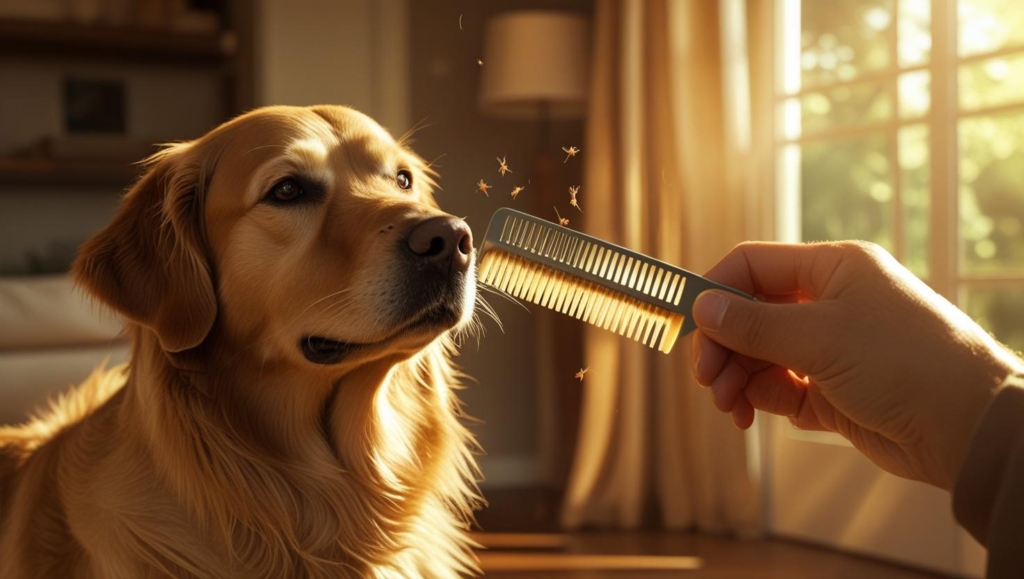
You should give your dog a flea bath only as often as needed to manage fleas without irritating their skin. Timing matters. Too many baths can do more harm than good, while too few may leave the fleas in control.
Finding the Right Balance
Regular flea baths once a week should be enough to get rid of fleas that are living on your dog. So the shampoo has time to do its job without drying the skin. During an outbreak, most dogs should have only one or two baths per week.
Once the issue is under control, or if you want to keep problems from happening, cut down on how often it happens. Most of the time, a flea bath every two to four weeks will keep them away. This can change based on how your dog lives. You might need to bathe them more often if they spend a lot of time outside or with other animals. They won’t need as many baths if they stay inside most of the time and are already on bug medicine.
Don’t Rely on Baths Alone
Flea baths are helpful, but they’re not a one-size-fits-all solution. They kill adult fleas but do little to prevent eggs or larvae from returning. That’s why vets often recommend combining baths with a longer-term flea control plan. This might include oral medications, topical treatments, or even natural repellents, depending on your dog’s needs.
Factors That Change How Often You Should Bathe
Several things affect how often your dog really needs a flea bath. The first thing to look at is how bad the infection is. When Rumi first started having bug problems, she scratched all the time. To help her feel better, we had to give her baths once a week. But after using a topical flea treatment approved by our vet, we were able to cut back to bathing our dog only once every few weeks.
How your dog’s skin looks is also important. Dogs with sensitive skin or a history of allergies might not tolerate baths, even once a week. Then a mild flea shampoo or a completely different way to get rid of fleas might work better. Watch how your dog acts at all times. If your skin is dry, red, or stinging more after a bath, take a moment to think about what’s happening.
It also matters what kind of bug shampoo you use. Some are made with stronger ingredients designed to kill fleas right away. Some are better for your face because they use natural oils. I messed up when I switched to a stronger mix without reading the label first. Rumi got a dry spot on her face that took days to get better. I always talk to the vet first now.
Why Less Can Sometimes Be More
It’s normal to want to help your dog right away when they’re in pain, but giving them more baths doesn’t always make things better faster. In fact, it can slow their healing by removing the oils that keep their skin healthy. In the long run, it will always work better to stick to a balanced routine and use the right goods.
To sum up, bathe your dog once a week when fleas are around. Most of the time, once every few weeks is enough to keep fleas away, especially if you use other ways to treat fleas. Watch out for changes on your dog’s skin, talk to your vet, and be patient. As long as you take the right steps, fleas won’t be able to hurt you.
Should You Bathe Before or After Applying Flea Treatment?
You should bathe your dog before applying flea treatment, not after. This helps the product absorb better and work more effectively.
Why Bathing First Works Best
A bath cleans your dog’s skin of dirt, oil, and other things that might stop the treatment from working. Before applying any flea cream, wait 48 hours after taking a bath.
I once asked for treatment right after Rumi took a bath because I thought it would work better. That didn’t work. Because the natural oils need time to come back, our vet told us, the treatment can’t spread properly. I learned my lesson.
What About Bathing After Treatment?
Not all flea treatments are waterproof. It’s safe for most dogs to get wet again after 24 to 72 hours. Always read the sticker to get the exact time.
To work, the treatment needs time and a clean area. In a hurry, doing either step can weaken it or wash it away too soon. Take a bath first, wait 48 hours, and then put it on. For a few days, don’t take another bath.
How Do You Know If Your Dog Needs Another Flea Bath?
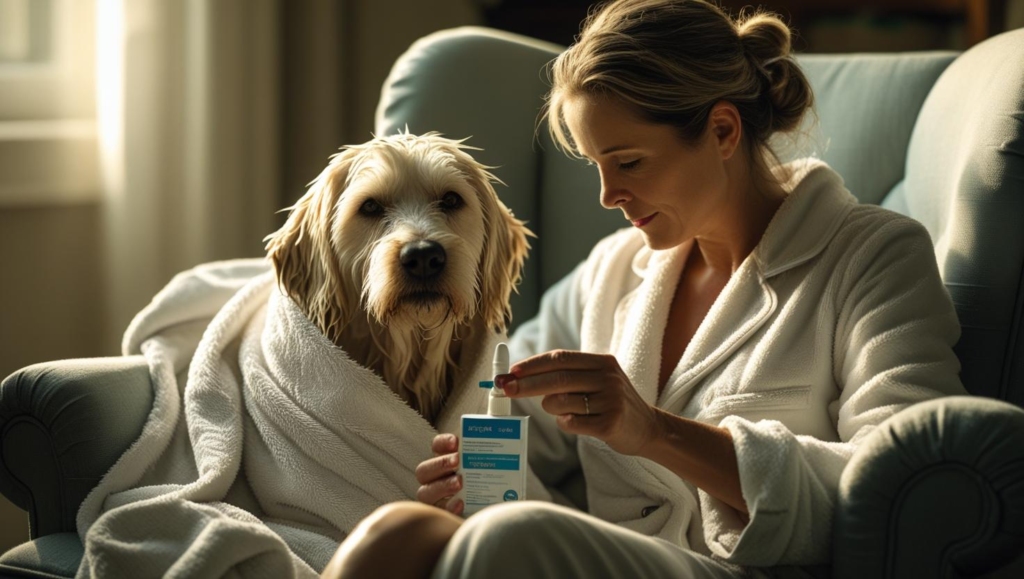
You’ll know your dog needs another flea bath if the itching returns or you start spotting fleas again. These are the clearest signs that the last bath didn’t fully eliminate the problem.
When the Scratching Comes Back
One of the first things I noticed about Rumi was that she started itching again just a few days after what I thought was a good bath. Even though it didn’t happen all the time, it was scary enough. When I looked at her hair again, I saw a few small black spots that were flea dirt. The fleas were back, as expected.
When you see your dog scratching more than usual, especially around the base of the tail or neck, it could mean a second wave of fleas has arrived. Sometimes, even after a flea bath, eggs and larvae survive in your dog’s bedding or your home. This is why regular checks are just as important as the bath itself.
Spotting Fleas or Flea Dirt
When you pull apart your dog’s fur, you might see adult fleas or what looks like tiny black pepper grains. That’s flea dirt. Putting a few specks on a wet paper towel will prove it. It’s dried blood from flea bites that makes them turn dark brown. This is a clear sign that you might need another bath.
I had that happen to Rumi once, just when we thought the trouble was over. Then we saw her bed again, dirty. That was a sign for us to act right away.
Are Flea Baths Enough on Their Own?
Not all the time. It’s great that flea baths kill adult fleas, but new ones can still jump on afterward. If you can still see fleas a few days after bathing, it’s time to consider stronger options that will last longer.
Our vet suggested that we add a monthly skin treatment, which we did. It really made a difference. Rumi stopped scratching almost all the time, so we didn’t have to bathe her as often.
Plus, some vets might suggest things like Insect Growth Regulators that stop fleas from reproducing. In this way, the eggs and caterpillars can’t grow up to become adults that bite.
Are Flea Baths Safe for Puppies?
Flea baths can be safe for puppies, but only if you use the right shampoo. Puppies’ skin is more sensitive, so adult flea treatments may not work well on them.
We didn’t use any flea medicines on Rumi when she was very young. You should wait until she is at least 12 weeks old, our vet told us. We used a flea comb every day and kept her litter clean until then. We switched to a gentle flea shampoo that was safe for puppies once she was big enough. It worked well and didn’t bother her skin.
Before giving your puppy any bug medicine, you should always talk to your vet, especially if the puppy is less than 12 weeks old. A lot of the time, treatments you take by mouth or apply to the skin might be safer and work better than washing.
How Long Does a Flea Bath Last?
A flea bath doesn’t offer long-term protection. The fleas on your dog will die, but new ones can get on if your dog goes back outside or lies down on an untreated area.
Some flea baths work right away, and others take up to seven days. That’s why it should be used as part of a bigger plan to get rid of fleas.
We started taking better care of our home and Rumi after we learned this the hard way. We cleaned the floors, vacuumed every day, and washed all of her blankets. That extra step really helped her stay flea-free for a long time after a bath.
Signs You’re Overbathing
Baths for fleas are good, but doing them too often can be bad. If your dog’s skin starts to get red and itchy, you might be overdoing it.
As a result, your dog’s skin will be dry, flaky, and dull. Another red flag is if they bother you more after a bath.
Rumi had that happen once when I used flea shampoo on her for two weeks in a row without first checking her skin. Her fur looked rough, and she started to lick her paws more. We took a break from bathing and focused on her skin recovery with a soothing balm and vet-recommended diet changes.
Can I Use Flea Shampoo Every Week?
In most cases, no. Unless your vet tells you otherwise, you shouldn’t use flea spray every week. During an outbreak, most dogs do well with baths every 1 to 2 weeks. It can dry out their skin and make things worse if they do anything else.
It’s better to use monthly flea preventatives, such as pills or creams, along with flea baths for long-term control. That way, you can keep your dog safe without having to shampoo it often.
Conclusion
Flea baths can help your dog feel better, but they only work if you use them carefully. Read this post to learn how to tell the difference, how often to clean, and when to try something else. The most important thing is that you now know you’re not the only one trying to figure all of this out.
Dealing with fleas on your dog and yourself can be frustrating and hopeless, but you’re doing the right thing by learning and acting. Your dog can get back to being happy and scratch-free with the right practice and some time.
Do not stop. Believe in your gut. And if you’re not sure what to do, ask for help. This is easy for you, and your dog is lucky to have you.
Quick Answers About Flea Bath for Dogs
1. Can Fleas Live in My Home Without a Pet?
Yes, fleas can survive for weeks in carpets, bedding, or furniture, even when no pet is present. Regular cleaning helps prevent infestations.
2. How Long Do Flea Eggs Take to Hatch?
Flea eggs can hatch in as little as 2 days under warm conditions. This is why treating the home environment is just as important as treating your dog.
3. Is It Safe to Use Human Shampoo to Kill Fleas?
No, human shampoo isn’t formulated for dogs and won’t kill fleas. It can also irritate your dog’s skin. Always use vet-approved flea shampoos.
4. Do Fleas Die in Cold Weather?
Fleas slow down in cold temperatures but don’t die off completely. They often survive indoors during winter, so year-round protection is best.
5. Can I Comb Out Fleas Instead of Bathing?
Flea combs can help remove fleas and flea dirt, but they’re not enough on their own. Use them alongside other treatments for best results.
6. Do All Dogs React the Same to Fleas?
No, some dogs are more sensitive to flea bites than others. Even a single bite can cause severe itching or an allergic reaction in some pets.
7. Will One Flea Bath Solve the Problem?
One flea bath may kill adult fleas, but it won’t stop new ones from appearing. A consistent treatment plan is needed to break the flea cycle.
8. How Can I Tell If Flea Shampoo Is Working?
You may notice fewer fleas, less scratching, and improved skin. Check the water during the bath; dead fleas often wash out visibly.
9. Are Natural Flea Remedies Effective?
Some natural remedies can help, but may not be strong enough for infestations. Always consult your vet before trying natural flea products.
10. Can Fleas Affect My Family Too?
Yes, fleas can bite humans, especially aroundthe ankles. While they don’t live on people, they can cause discomfort and spread quickly in the home.